Septic System Installation
We supply and install septic tanks and absorption trenches for properties without sewer access, sizing and positioning systems carefully so wastewater is treated safely and meets all local council requirements.


Explore wastewater, septic and treatment-system requirements for properties outside sewered areas.
Properties outside the sewered areas around Brisbane, such as acreage and semi-rural blocks, need their own way of dealing with household wastewater. Septic systems and aerobic treatment units are the usual options, and the right choice depends on the land, slow-draining clay soils and how the property is used. Wastewater needs a considered solution.
These systems need careful selection, design and ongoing servicing to perform well. Tell us about your property and its wastewater needs, and we can help you plan an installation or maintenance approach that suits the site. Planning ahead makes ownership of the system much simpler.
Explore Brisbane Wastewater Treatment and find the right starting point for your property.
We supply and install septic tanks and absorption trenches for properties without sewer access, sizing and positioning systems carefully so wastewater is treated safely and meets all local council requirements.
We supply, install and connect aerated wastewater treatment systems, including pumps, irrigation and controls, helping you treat household waste effectively and safely reuse treated water for your garden and lawn.
If your system is overflowing, smelly or alarming, we diagnose failed pumps, blocked lines and damaged components, then repair them promptly to restore proper wastewater treatment and protect your property.
We repair and replace absorption trenches, irrigation lines and distribution boxes that have clogged or failed, restoring effective dispersal of treated wastewater into the soil, preventing pooling and unpleasant odours.
We service and replace effluent pumps, floats, alarms and controllers, helping your wastewater system run reliably and alerting you early when something needs attention. Early servicing avoids costly, disruptive failures.
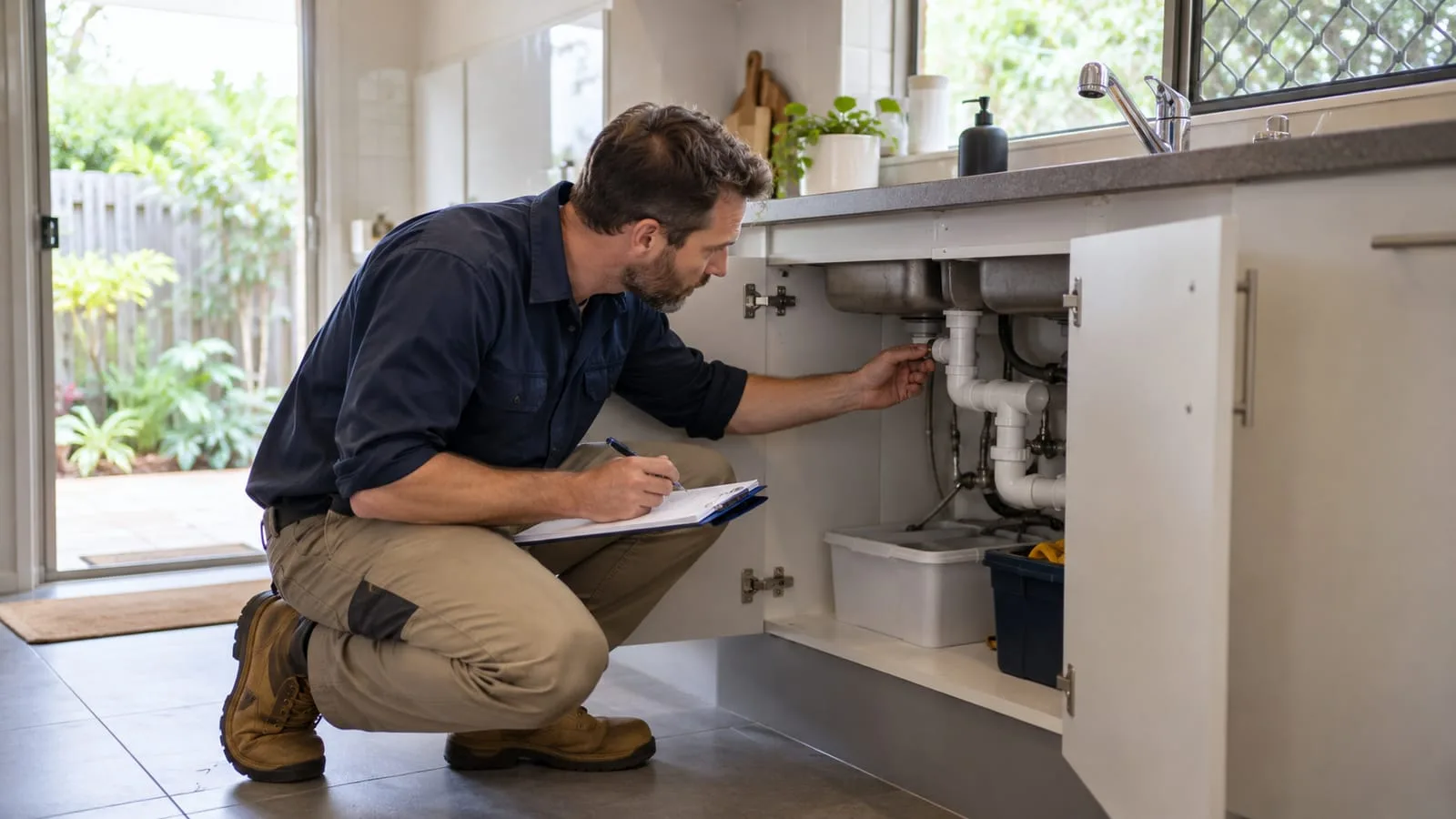
Regular inspections help your system keep working. We check tanks, pumps and trenches, flag potential problems and advise on suitable servicing schedules that protect your investment and the local environment.
Properties outside the sewer network need to treat their own household wastewater. The two common choices are a septic system and an aerobic treatment unit, and each has different requirements.
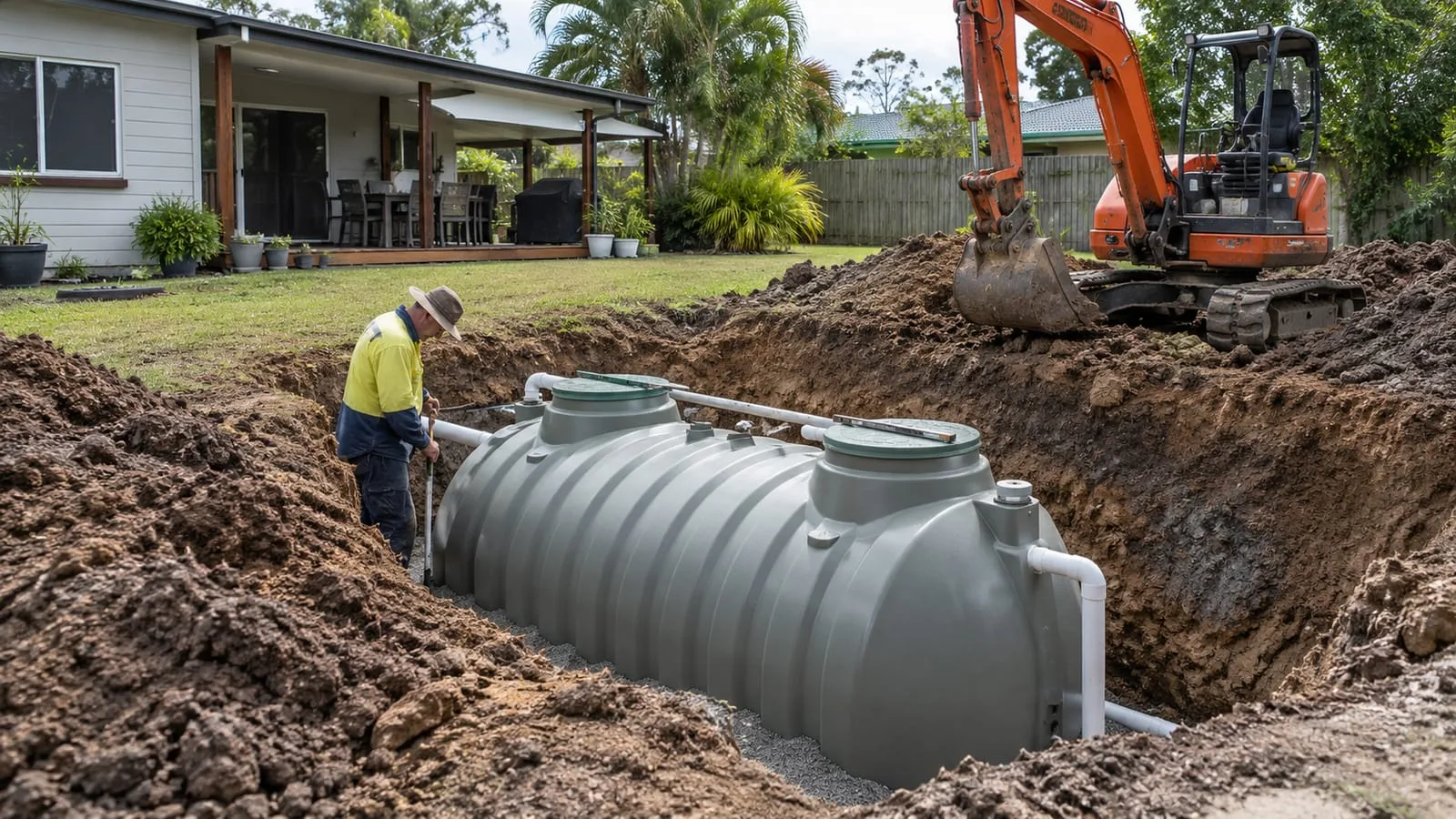
Solids settle in a tank and liquid flows to a disposal area, which depends on suitable soil and enough space.
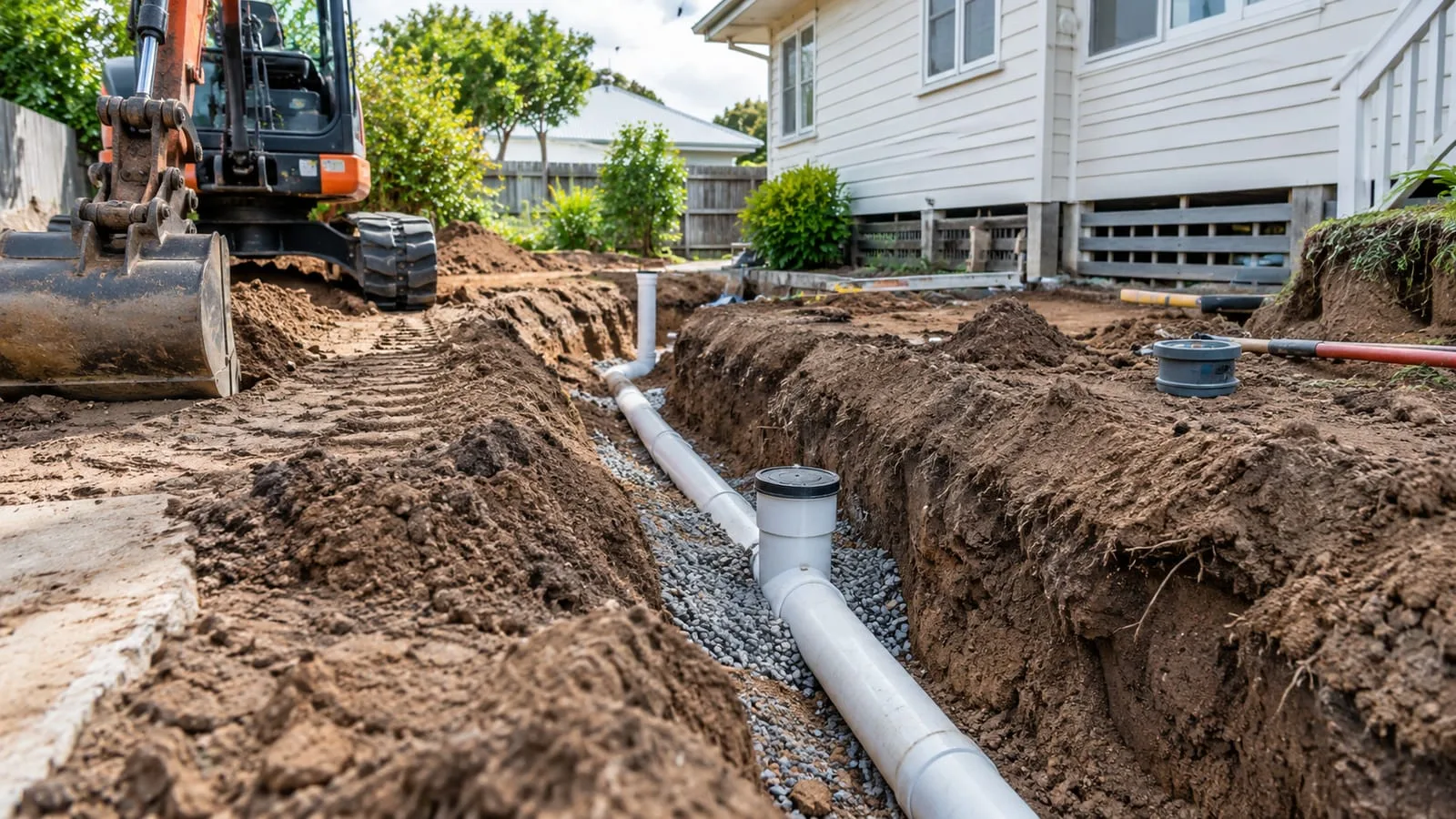
These add air to speed treatment and typically need electricity, an alarm and scheduled servicing to keep performing.
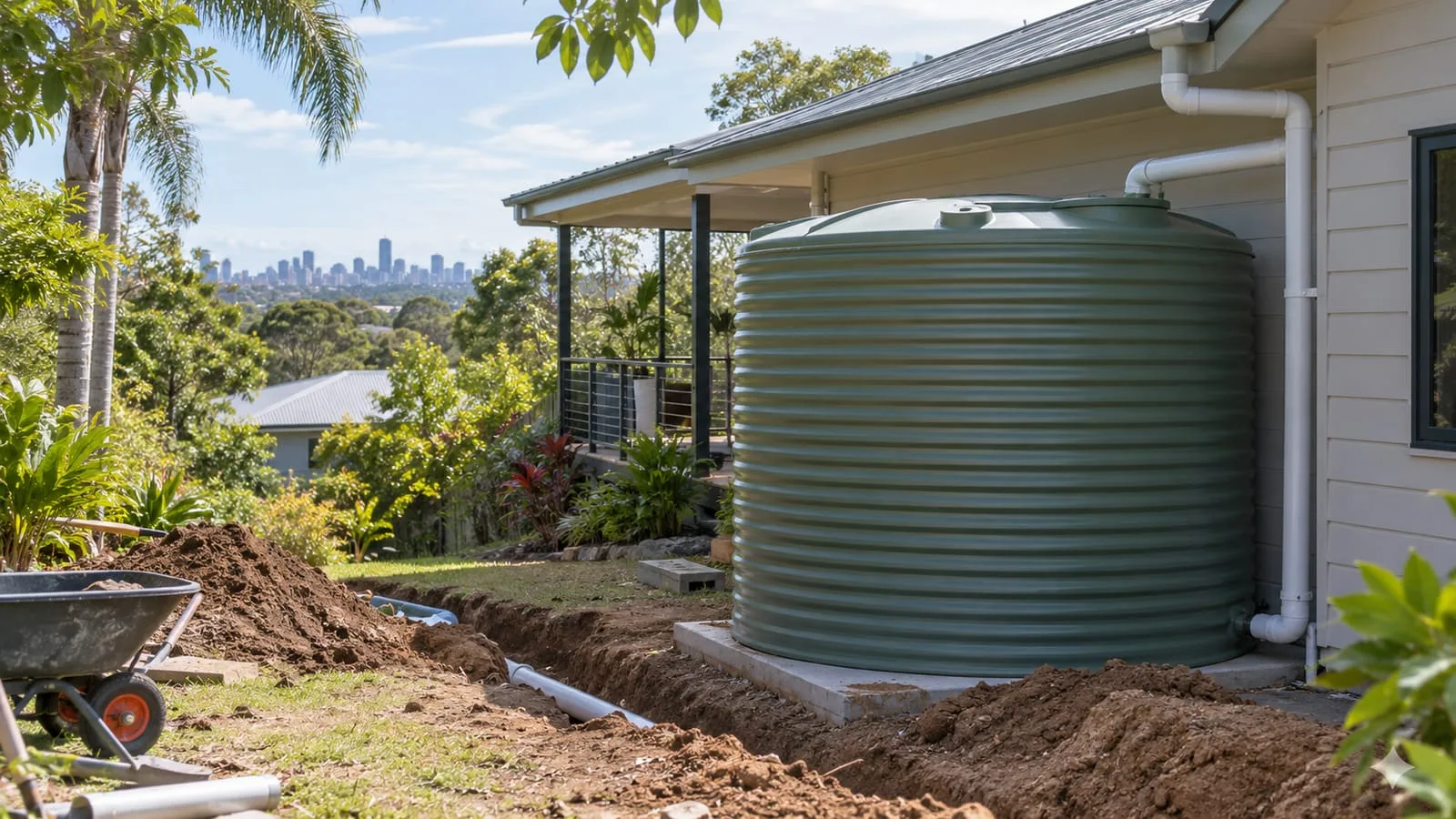
More people, a spa bath or a granny flat can increase load, so state future plans when choosing a system.
A septic tank with a disposal area relies on ground absorption, while an aerobic unit treats effluent more thoroughly and often needs power and regular servicing. The right choice depends on soil, block size, household numbers and local requirements. Discuss options with a qualified designer or installer and confirm approvals with Council before choosing a system.
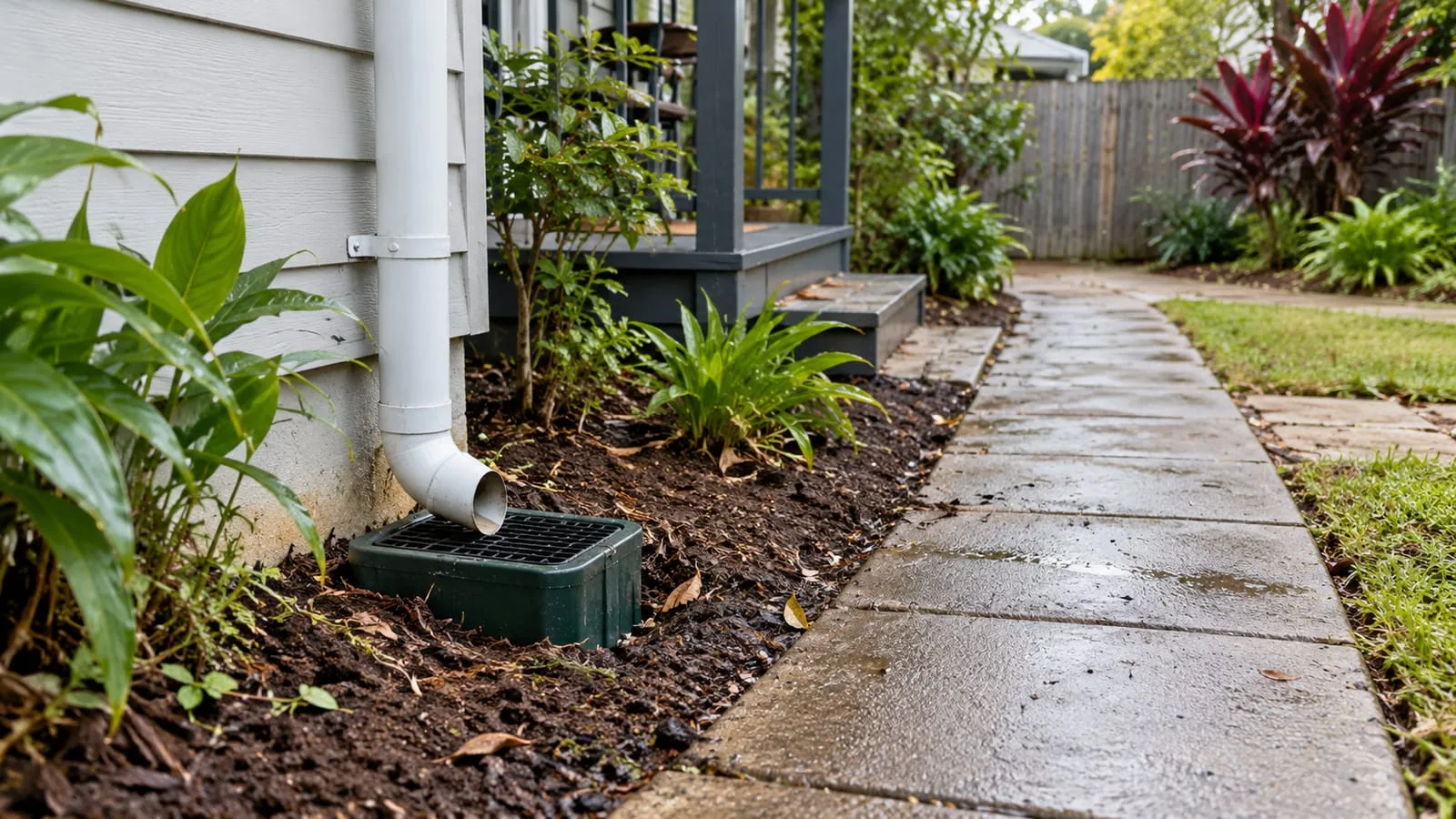
Treated wastewater has to go somewhere, usually into the ground. Slow-draining clay soils common in semi-rural Brisbane can limit how much a disposal area can absorb.
Disposal areas are sized by soil type, so dense clay generally needs larger areas or specific designs than sandy loam. Slopes, nearby waterways, bores and trees all influence where an area can go. A soil assessment by a qualified person is the proper way to find out what suits the block, rather than assuming a standard layout will work.
A wastewater treatment system is not set-and-forget. Regular servicing keeps it working, protects the disposal area and helps catch faults before they become expensive or unpleasant.
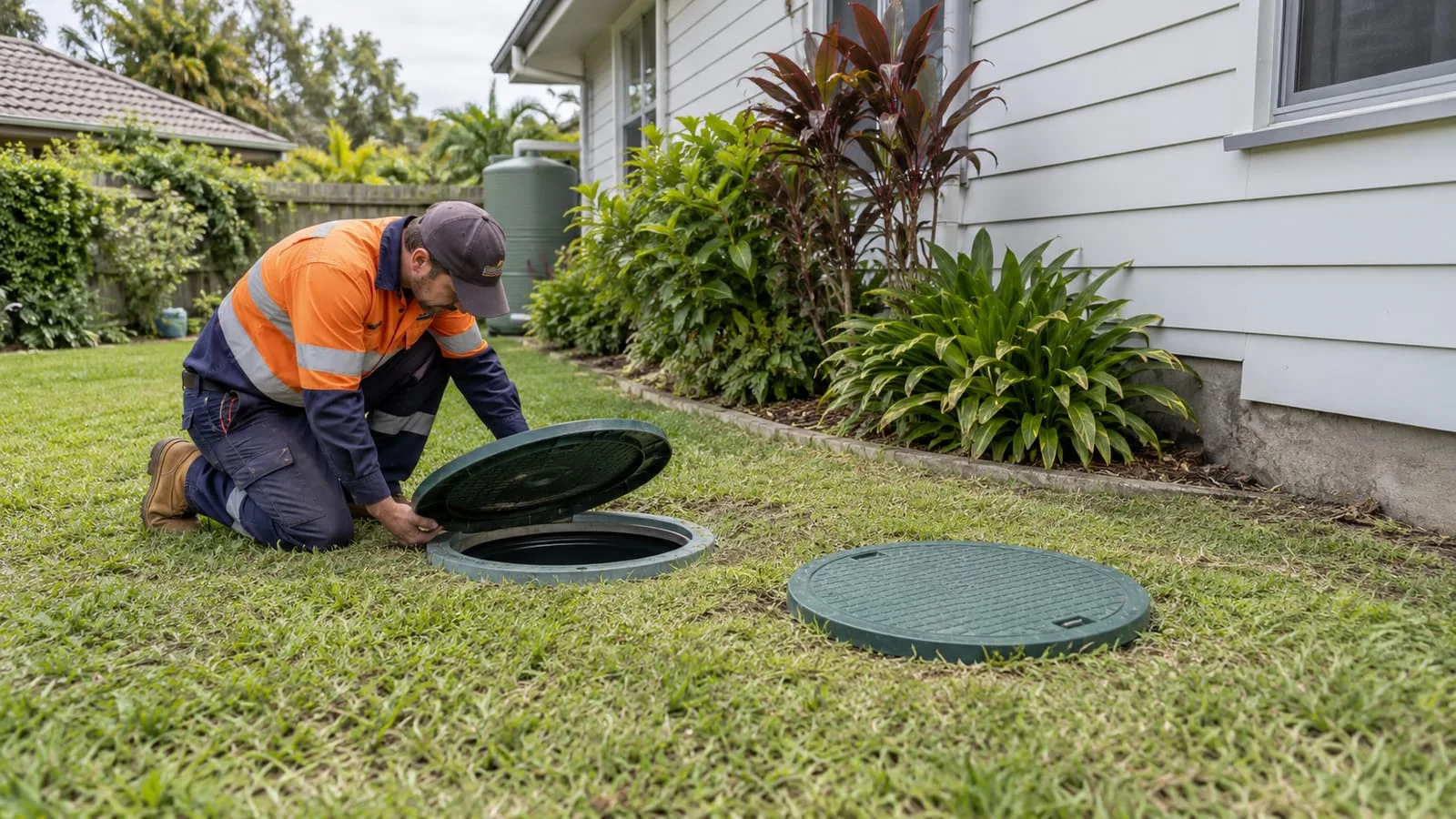
Know where the tank lids, pumps and alarms are, and keep them accessible rather than buried under garden beds. Servicing schedules vary by system and local requirements, so follow your manual and your servicing contractor’s advice. Keep a folder with maintenance reports, as it shows a history of care to future buyers and to regulators.
Locate and mark tank lids and inspection points so a technician can reach them without digging or guesswork.
Know what an alarm means and who to call, because ignoring one can lead to overflows or damage.
Harsh chemicals, wipes and large amounts of fat can harm treatment processes, so use cleaning products with care.
A tidy log of inspections, pump-outs and repairs helps with compliance and with later sale of the property.
Properties without sewer access need reliable, compliant wastewater treatment. We install, service and repair onsite systems that treat wastewater safely, protecting your property, your family and the surrounding natural environment.
An onsite wastewater system has to treat waste safely and stay compliant year after year. We install, service and repair a wide range of systems, follow Queensland requirements that protect groundwater and neighbouring land, and keep up regular servicing, so your property stays functioning, odour-free and legally compliant without costly overflows or failures.