Drainage
Stormwater Drainage
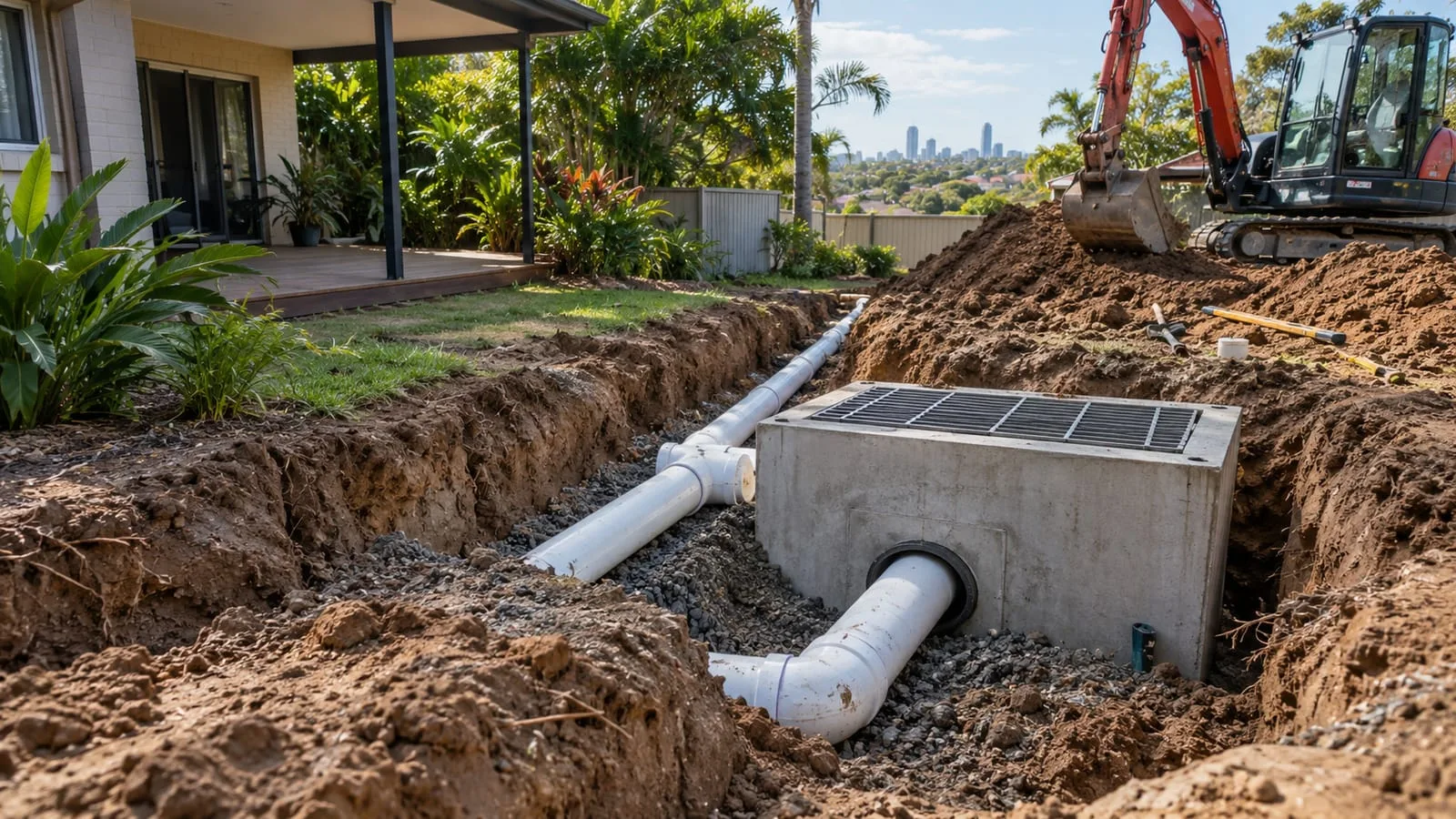
On the steep, terraced blocks of Chapel Hill, storm water can travel a long way across several levels before it reaches a drain, so we plan stormwater routes that follow the whole path down the slope.


Drainage enquiries focused on your Chapel Hill property’s levels, existing systems and access.
For a site with terraces or sloping ground, a drainage change can affect more than one area. Describe the path of water and any existing retaining edges without assuming a single collection point will resolve it. Considering the whole slope prevents shifting the problem.
Chapel Hill has steep blocks, terraced gardens and bush settings, where storm water can travel a long way before it reaches a drain. Because a change at one level affects those below, it helps to describe the entire path of the water rather than just the place where you notice the problem.
Explore Chapel Hill Drainage and find the right starting point for your property.
On the steep, terraced blocks of Chapel Hill, storm water can travel a long way across several levels before it reaches a drain, so we plan stormwater routes that follow the whole path down the slope.

Roof water on a high-set Chapel Hill home adds to runoff already gathering on the slope, so we assess how gutters and downpipes discharge before that water reaches the terraces below.
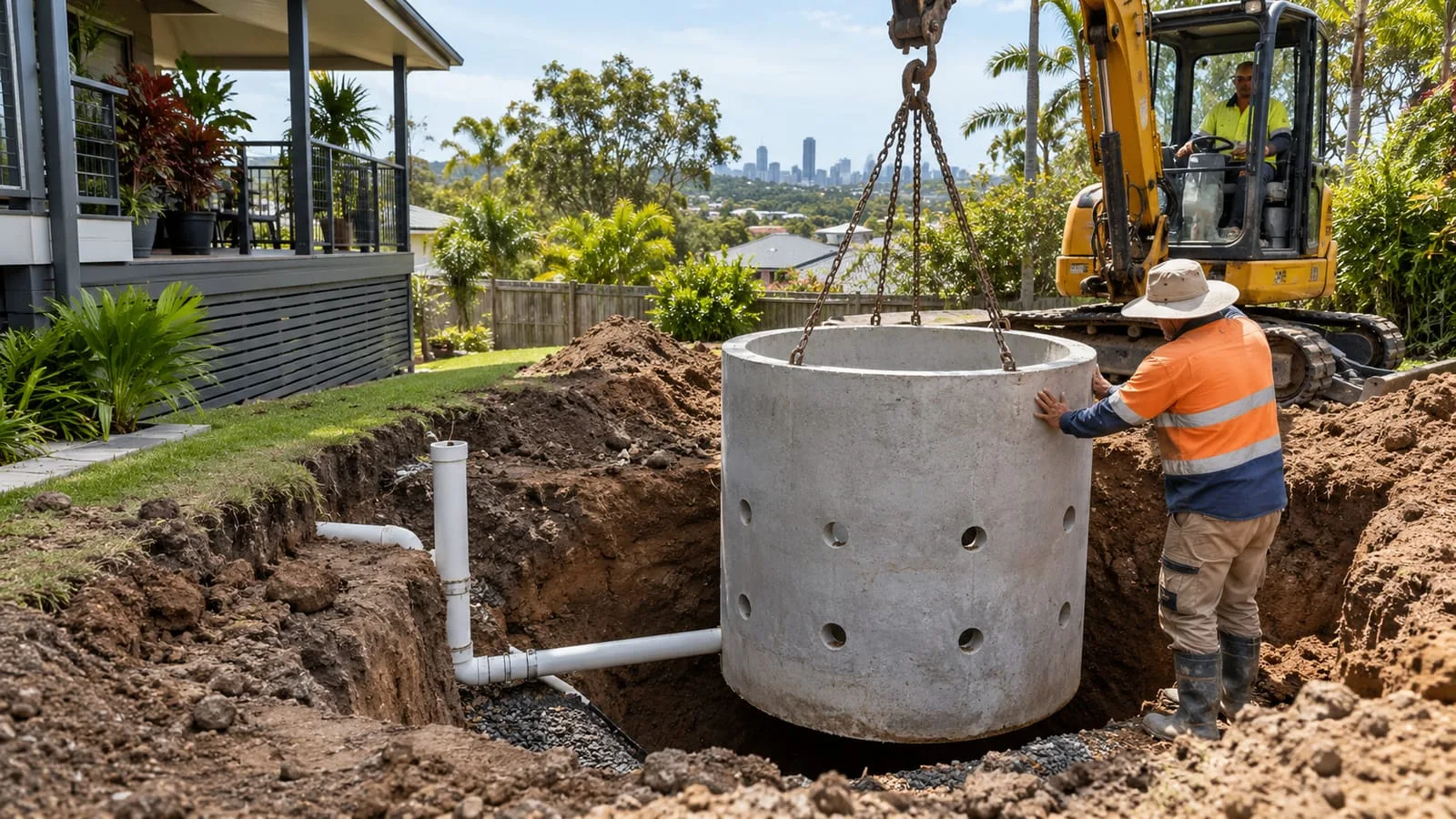
Reactive clay on a Chapel Hill slope can move and limit absorption, so where a soakwell is considered we confirm soil behaviour and position before relying on the ground to take overflow.
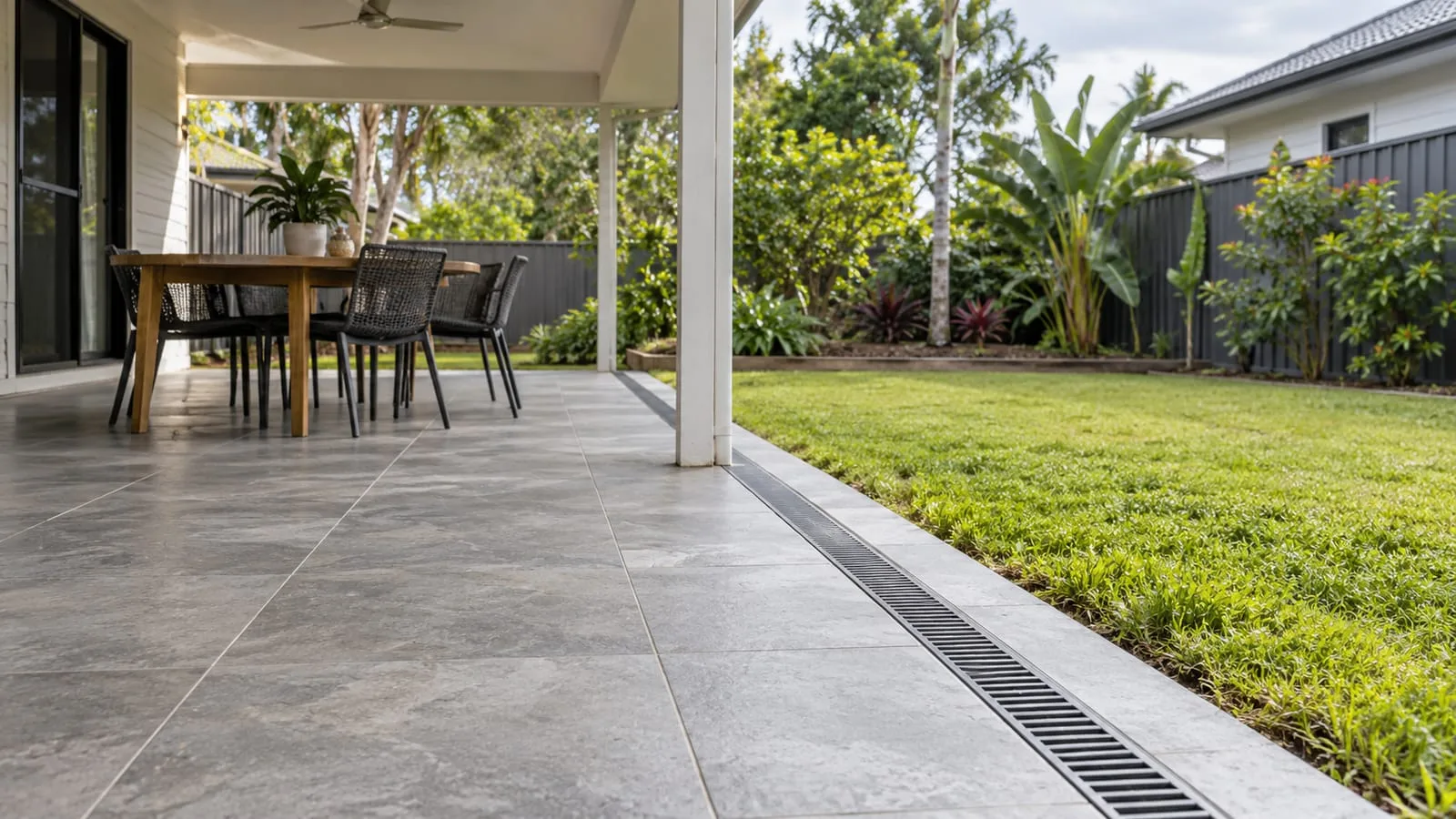
Stepped paths and terraced paving on a Chapel Hill block need channel drains that catch water at each level, so we set falls and grates to stop runoff cascading towards the house.
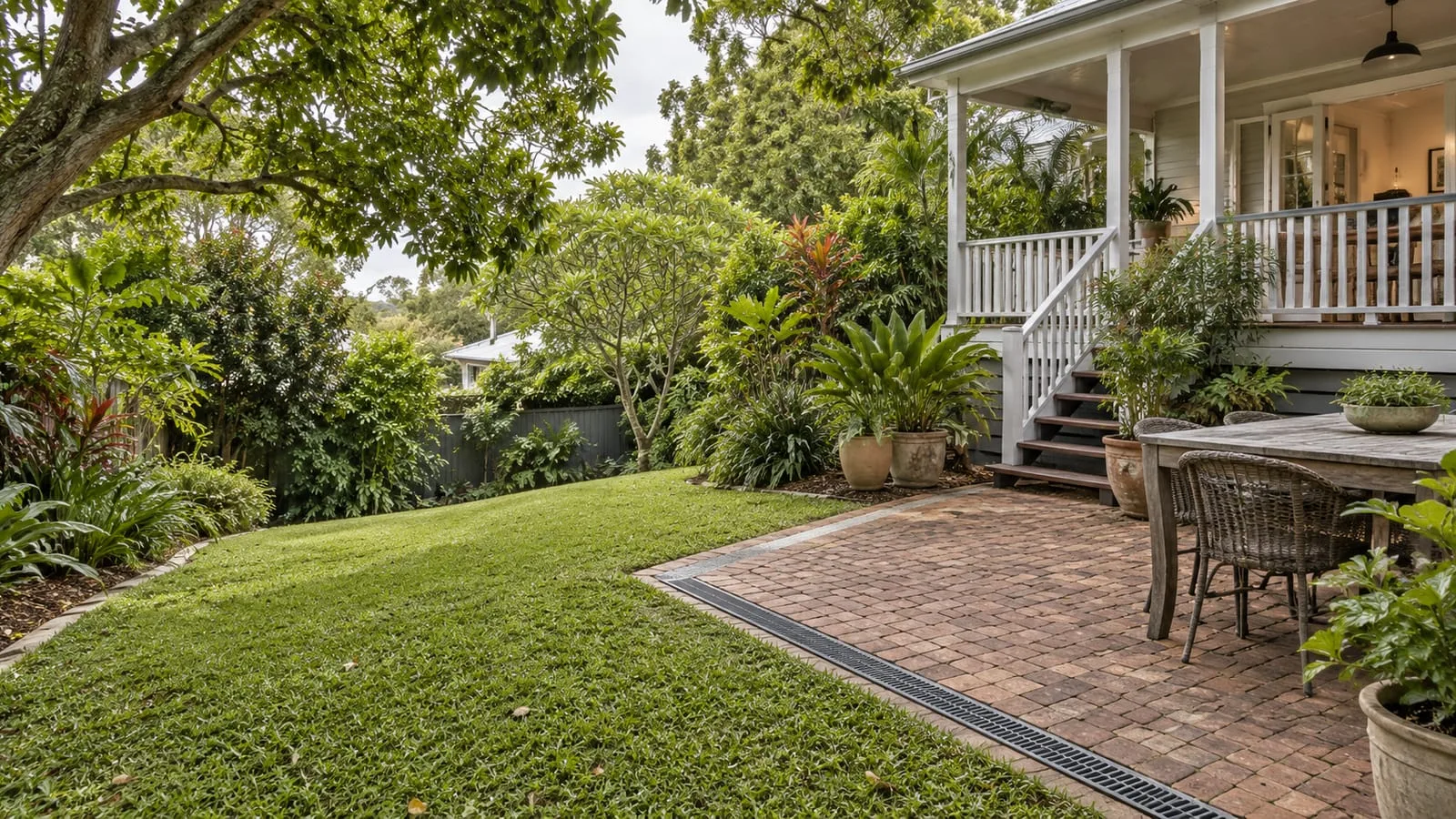
Terraced gardens and bush edges on a Chapel Hill block channel water from one level to the next, so we drain each terrace to protect planting, paths and the retaining structures below.
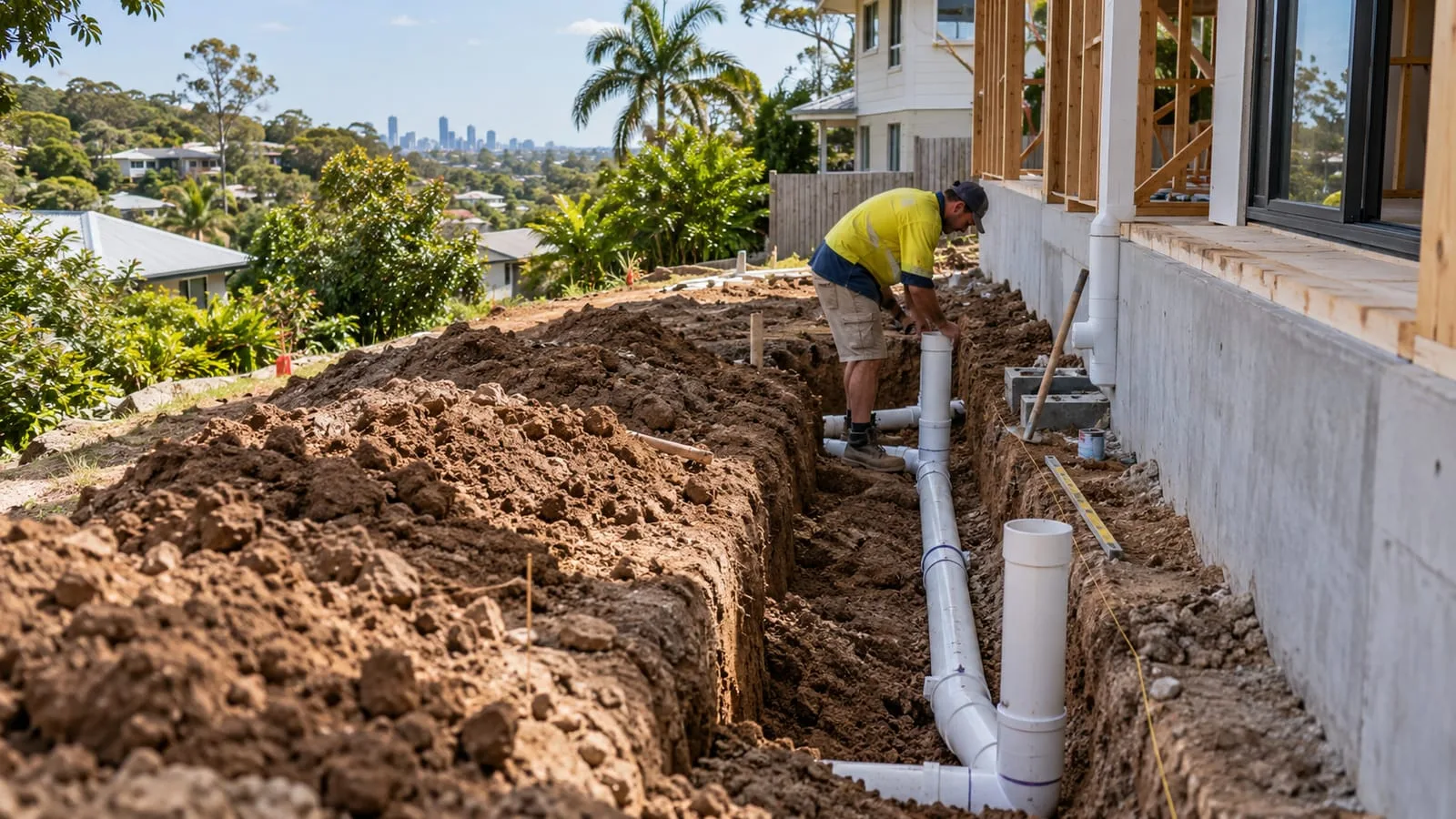
Laying drainage on a steep Chapel Hill site means working with difficult access and multiple levels, so our drainlayers plan the route and the machinery approach before any digging starts.

Renovating a bathroom in a high-set Chapel Hill home can mean routing pipework down through sloping sub-floor space, so we scope supply and waste runs around the way the house steps down the block.
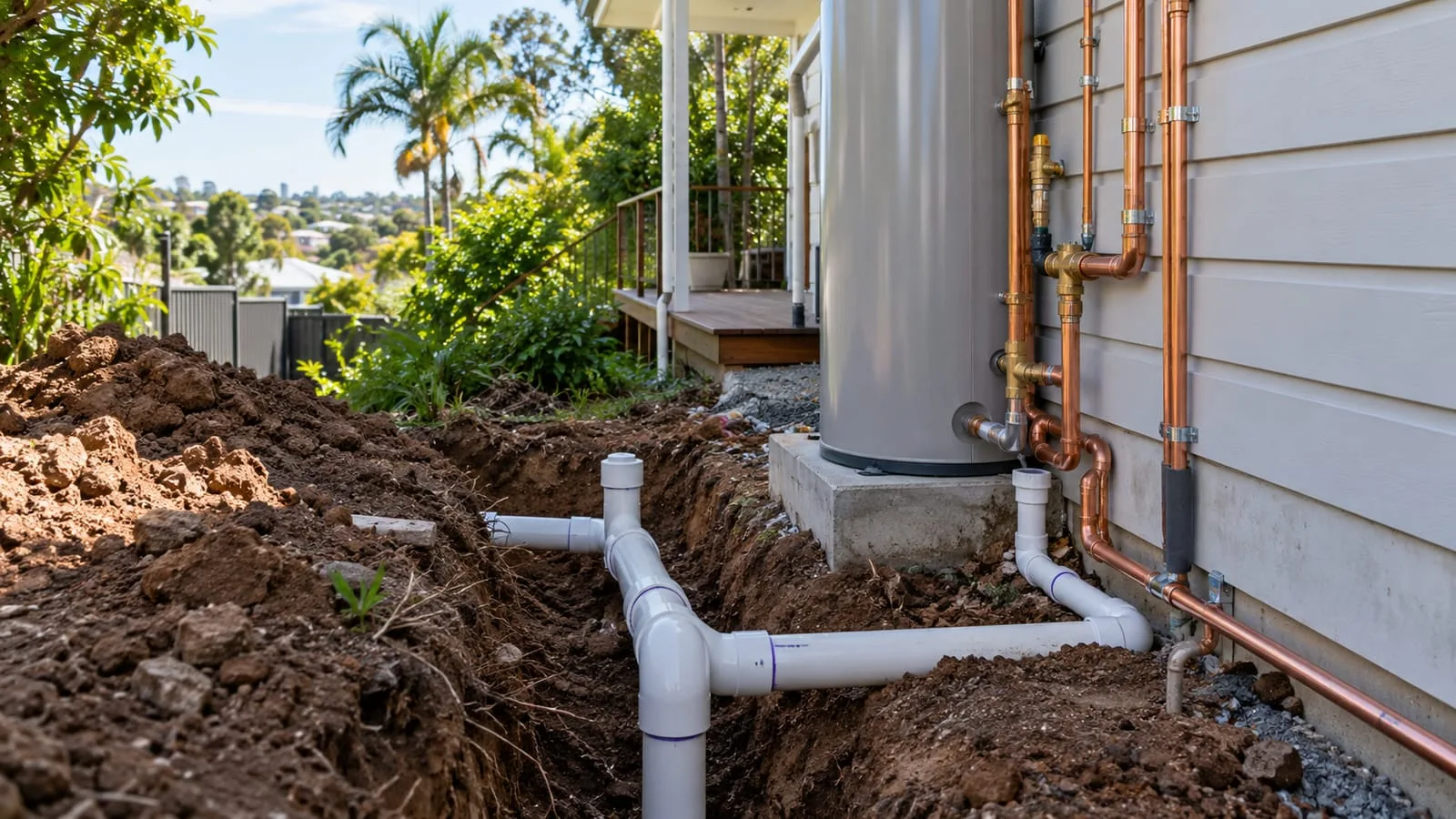
Supply and waste lines in a Chapel Hill home can run through tight under-house areas on a steep block, so we trace existing pipework before planning repairs or alterations.
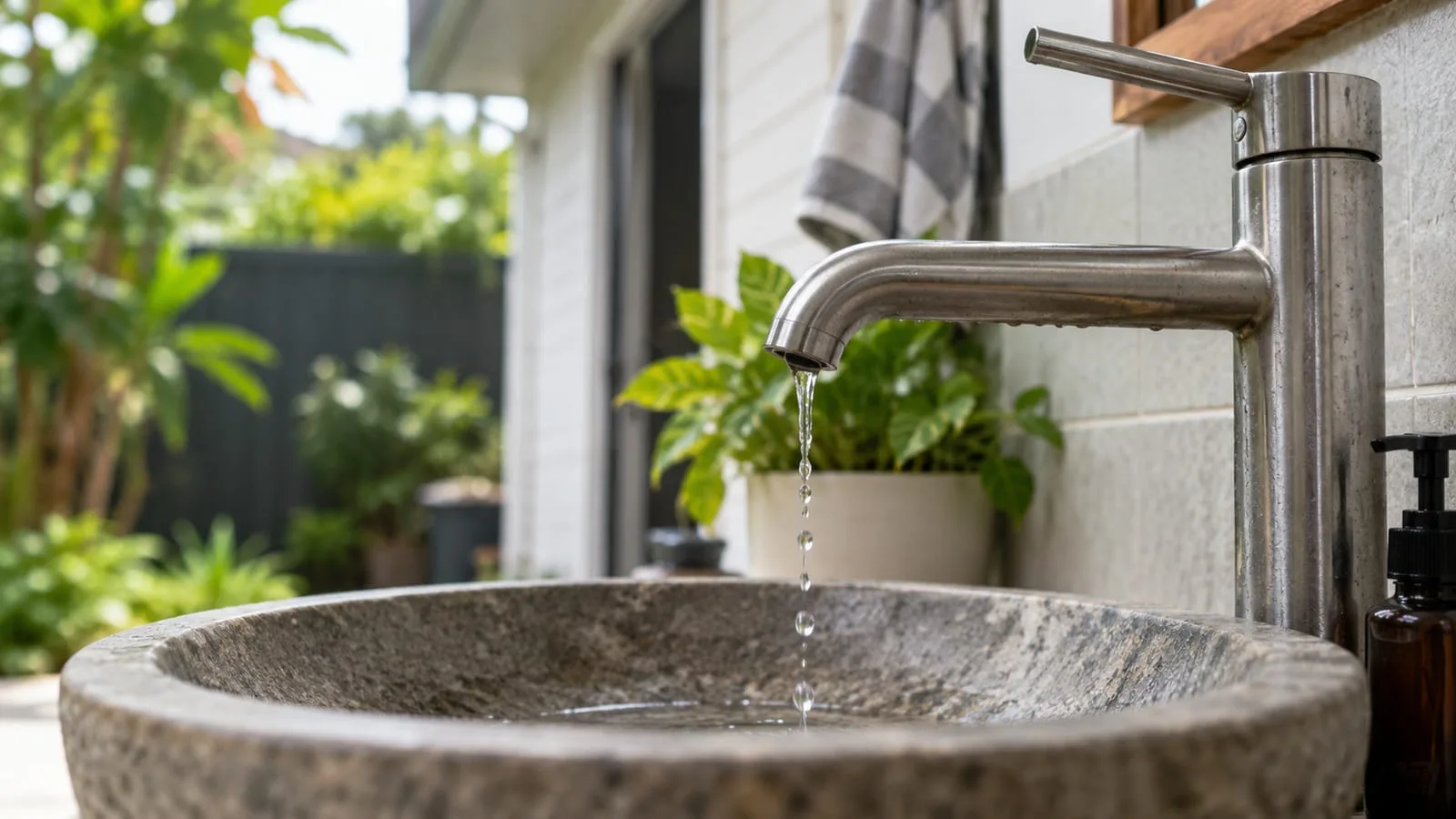
A dripping tap is a steady waste and can point to worn tapware throughout, so we repair or replace it in Chapel Hill homes with little disruption to the household.
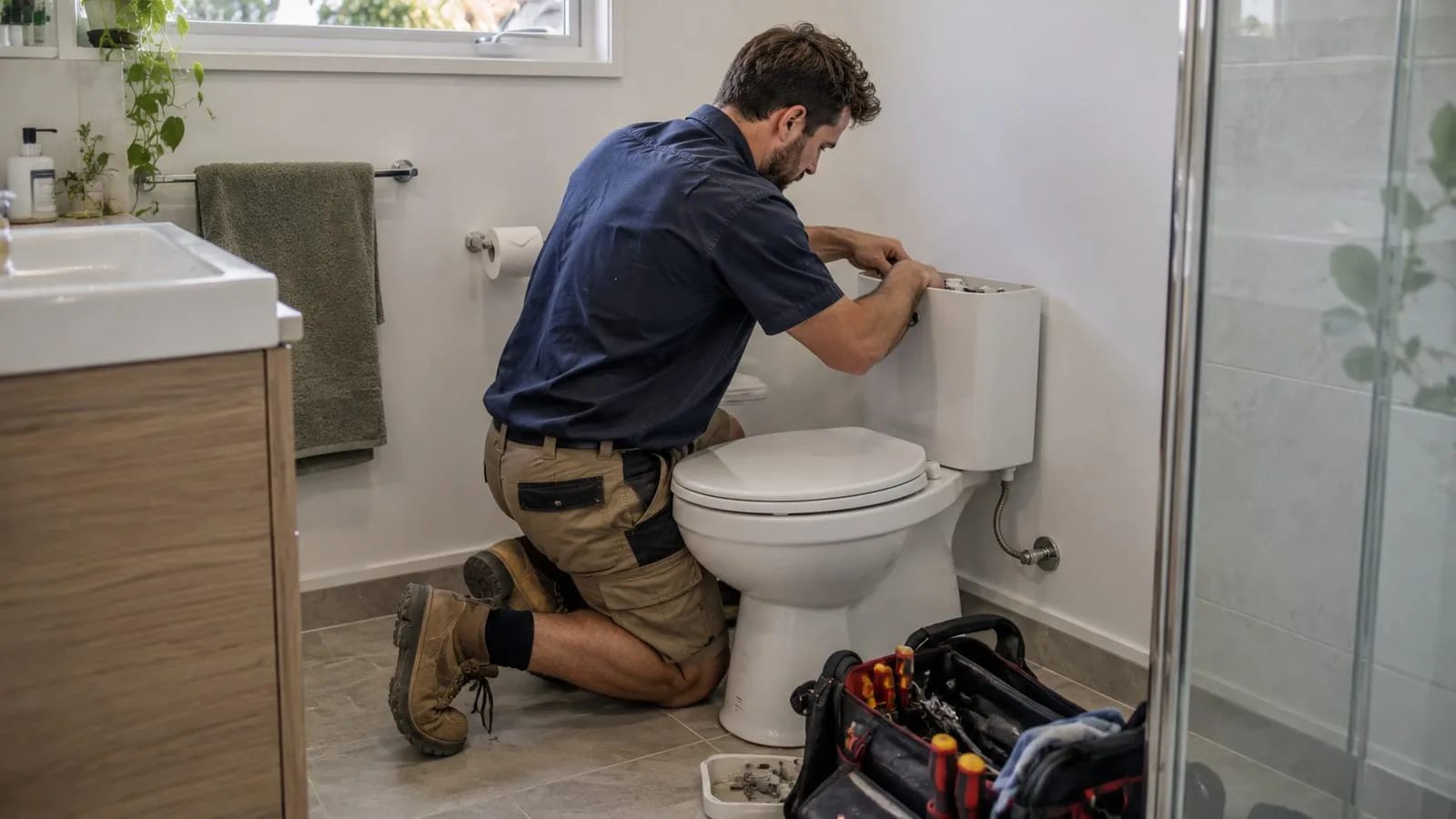
A running or faulty toilet is a daily frustration, so we repair cisterns, pans and connections to keep a Chapel Hill bathroom working reliably.
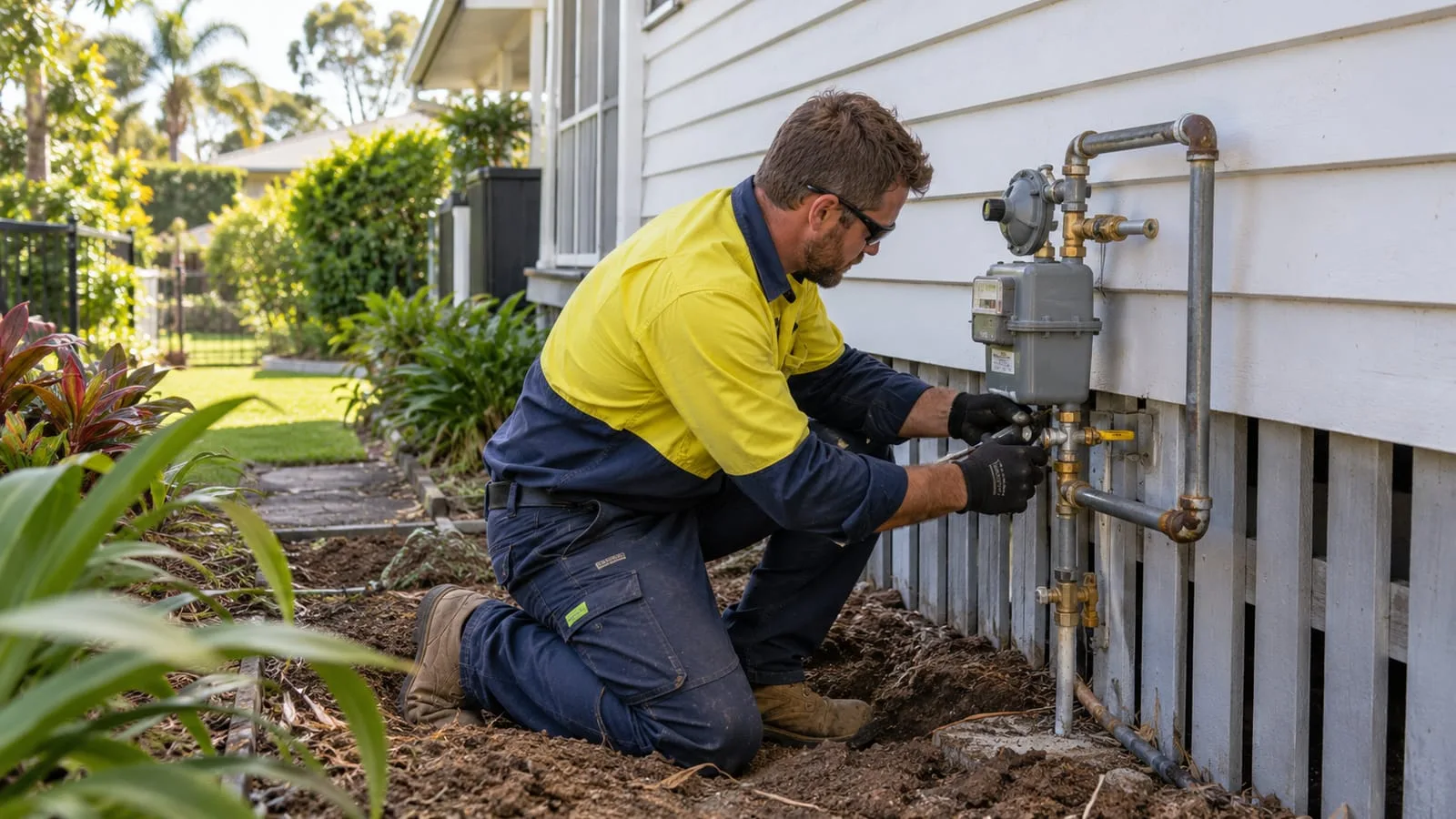
Chapel Hill homes with gas cooktops, heaters or hot water need compliant connections, so we handle gas fitting and appliance work to the standards that apply.

Chapel Hill shops, consulting rooms and local businesses rely on plumbing that keeps them open, so we plan work around operating hours and the needs of staff and customers.
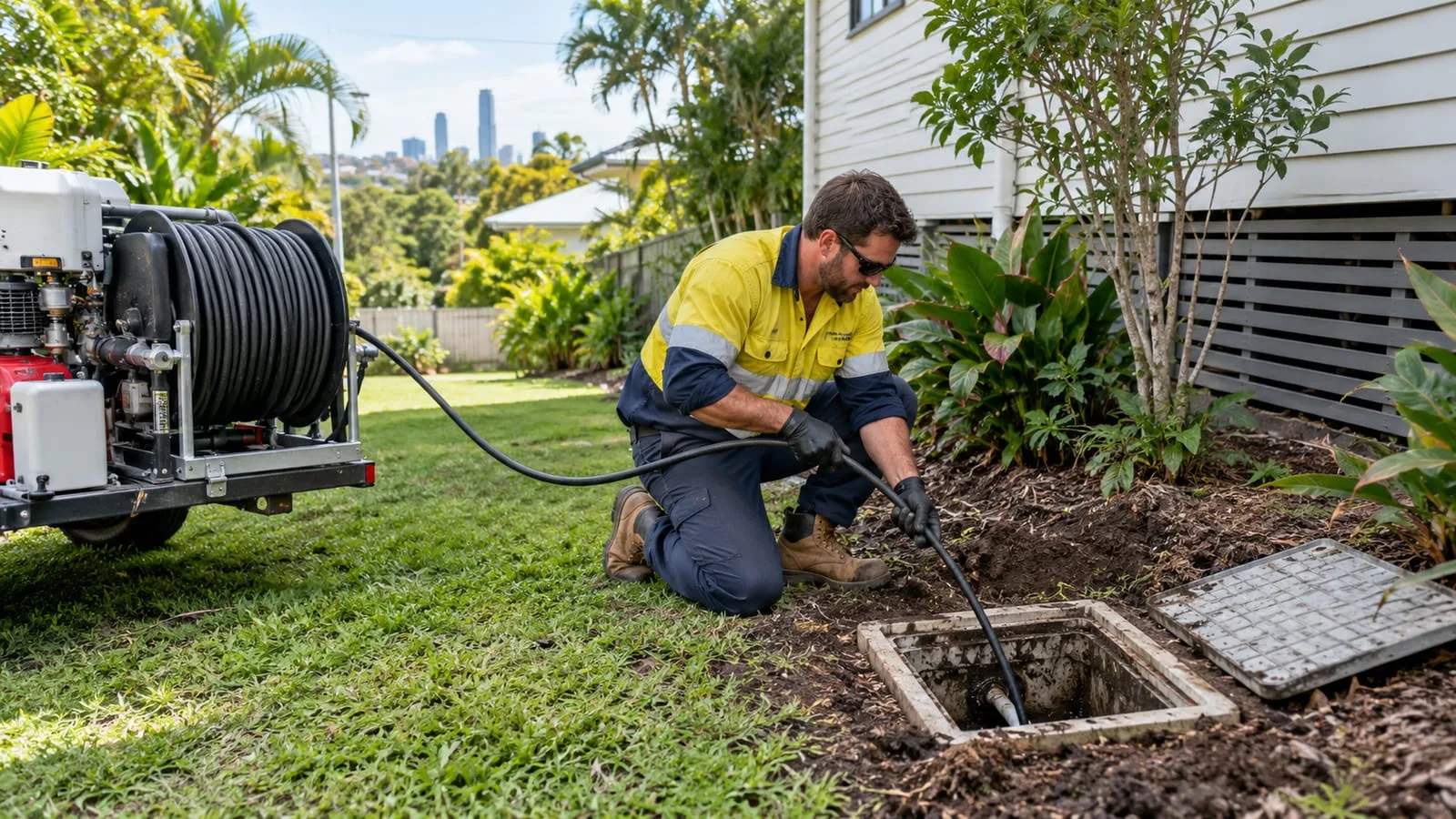
A blocked drain on a terraced Chapel Hill block can back up where a line drops between levels, so we clear it and establish whether the cause is local or sits further down the slope.
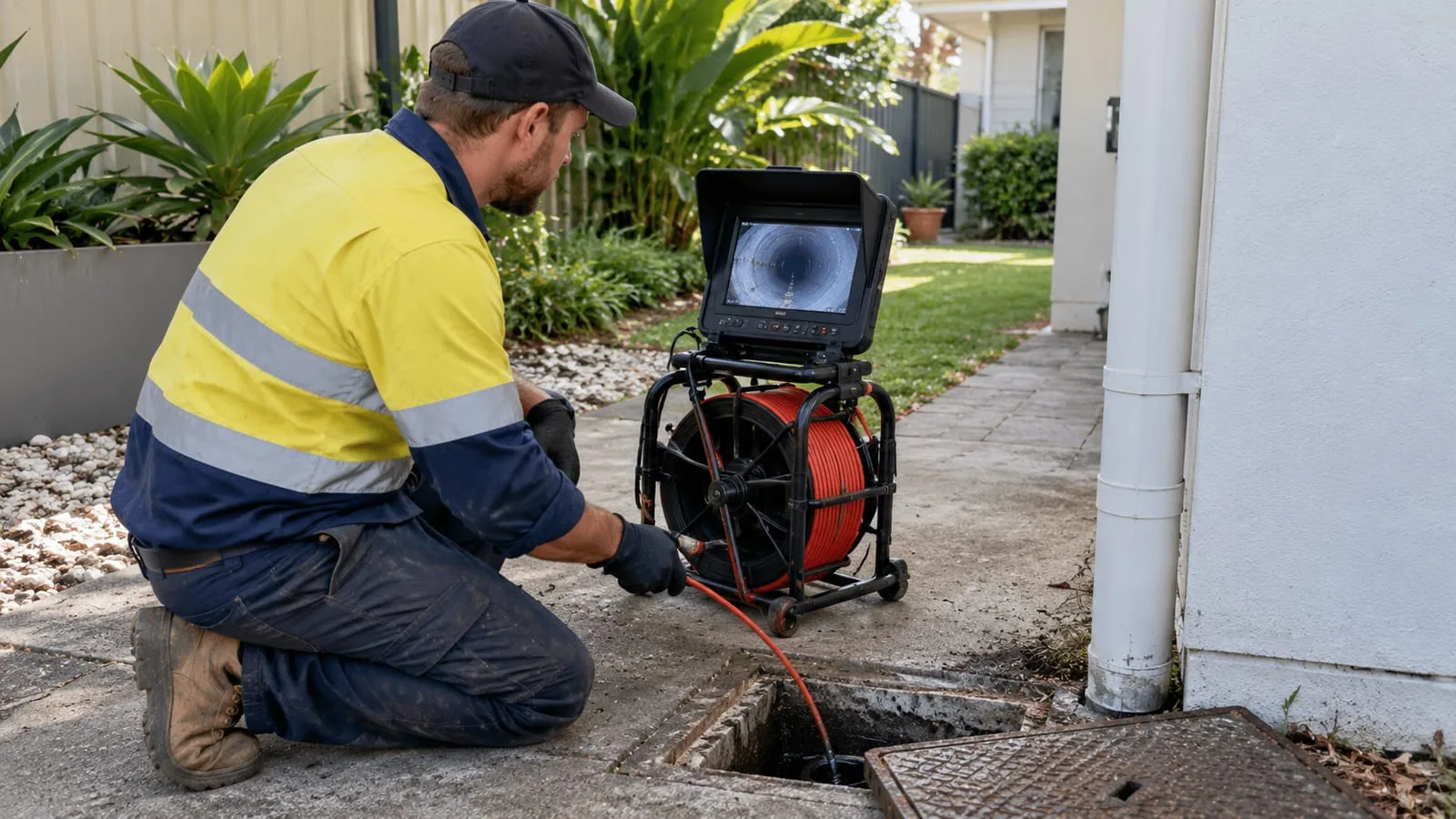
Before excavating on a steep Chapel Hill block, a camera shows the real condition and depth of a drain across terraces, helping us locate defects and plan the least disruptive repair.
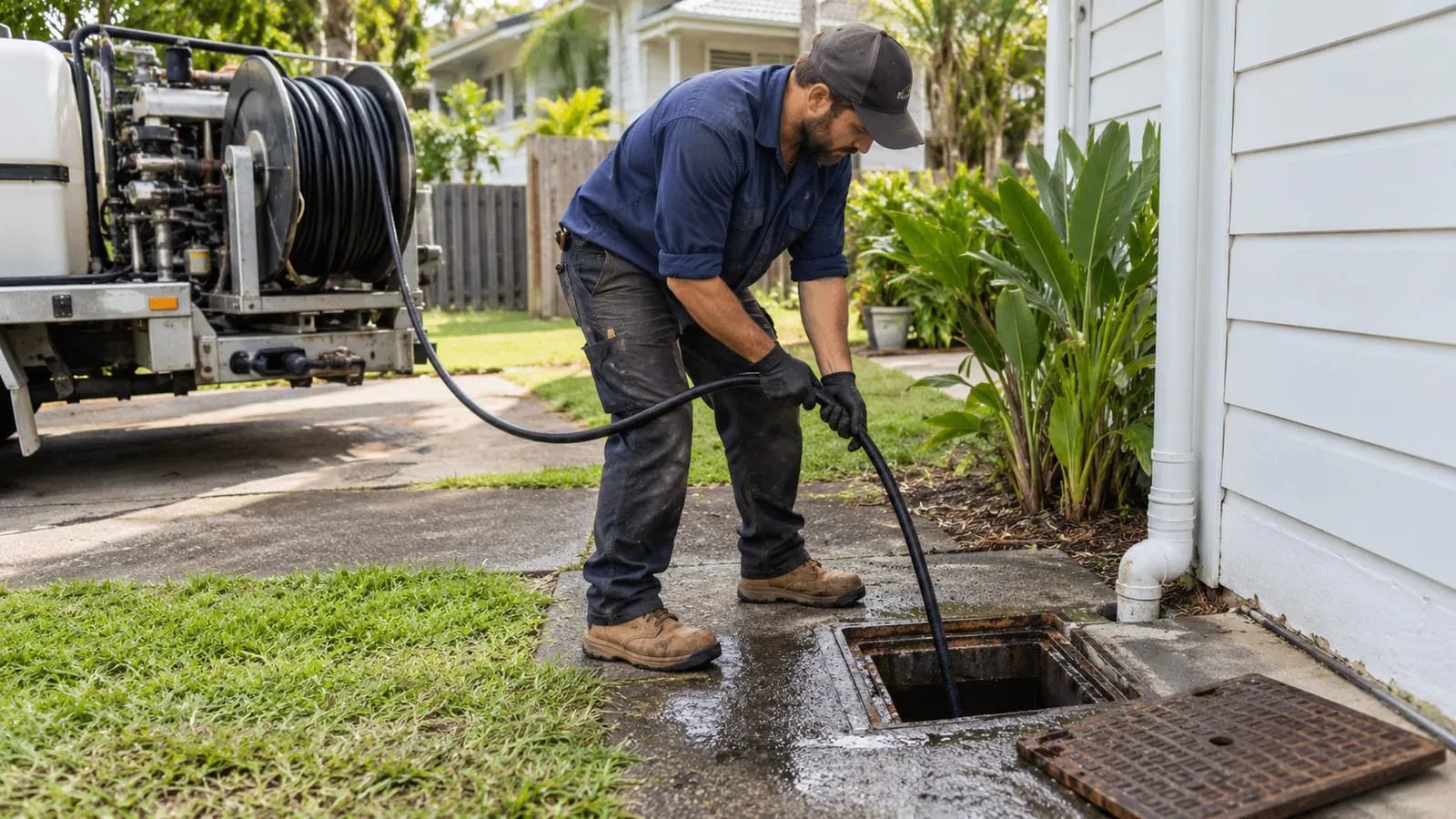
Leaf litter and silt from surrounding bush collect in Chapel Hill drains, so high-pressure cleaning clears the build-up and restores flow without opening the line on the slope.
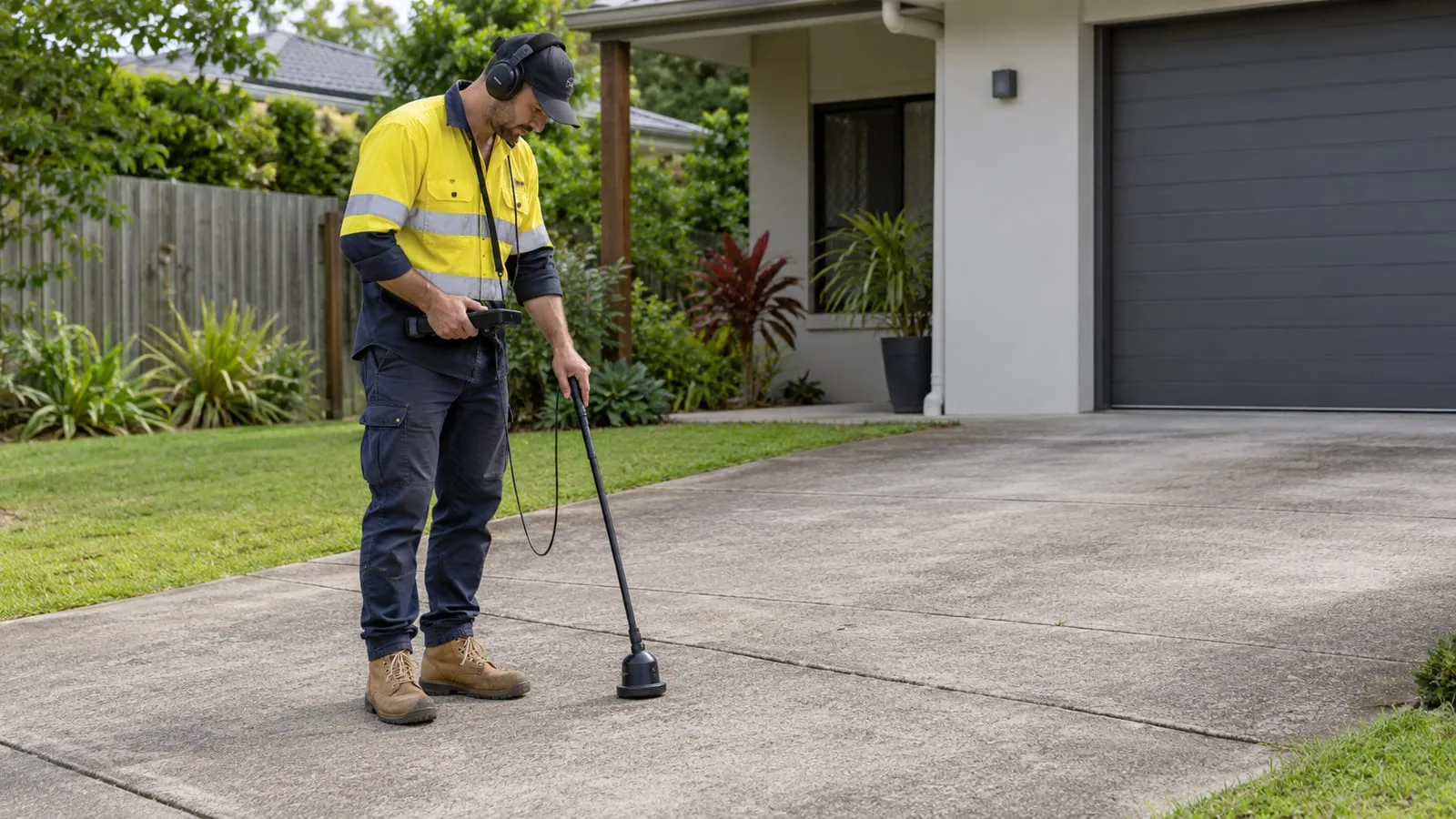
A damp patch on a Chapel Hill slope can be misleading, since water moves downhill before it surfaces, so we locate the true source within the pipework before any repair.
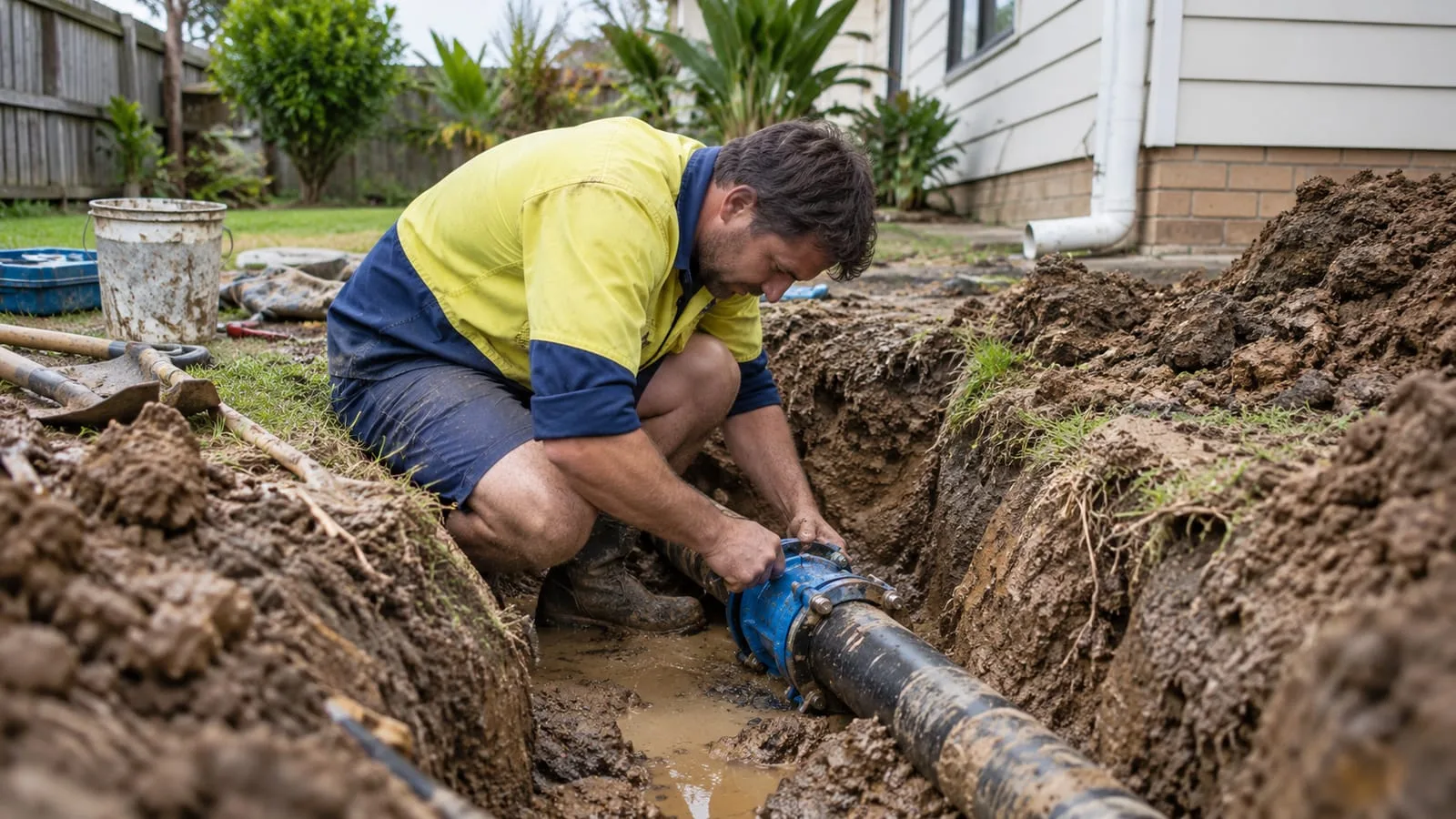
A burst pipe on a steep Chapel Hill block can wash out ground quickly, so we isolate and repair the line while limiting erosion and damage to terraces and finishes.
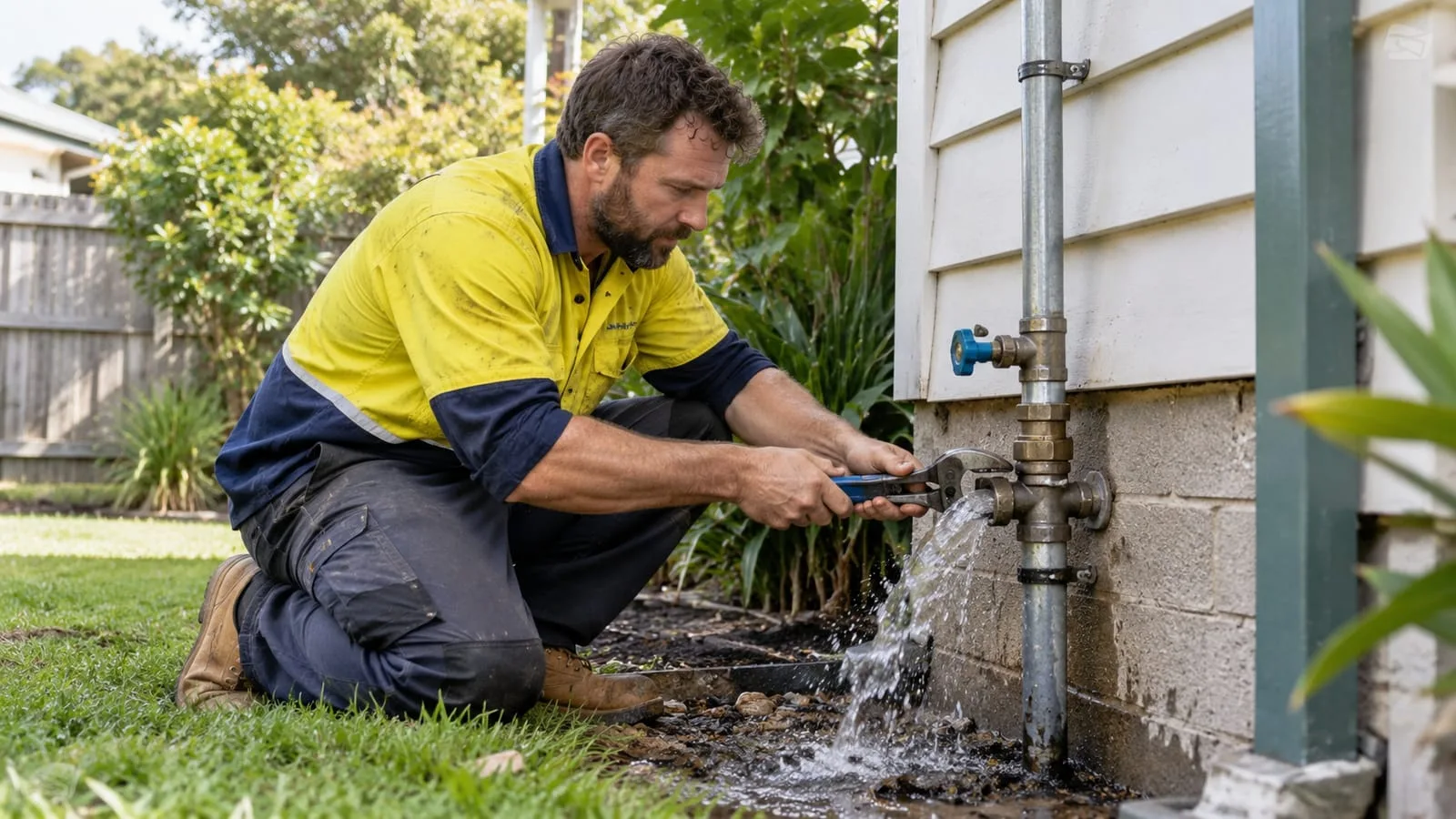
When a fault turns urgent in a Chapel Hill home on difficult ground, we respond and make the situation safe before planning a considered repair.
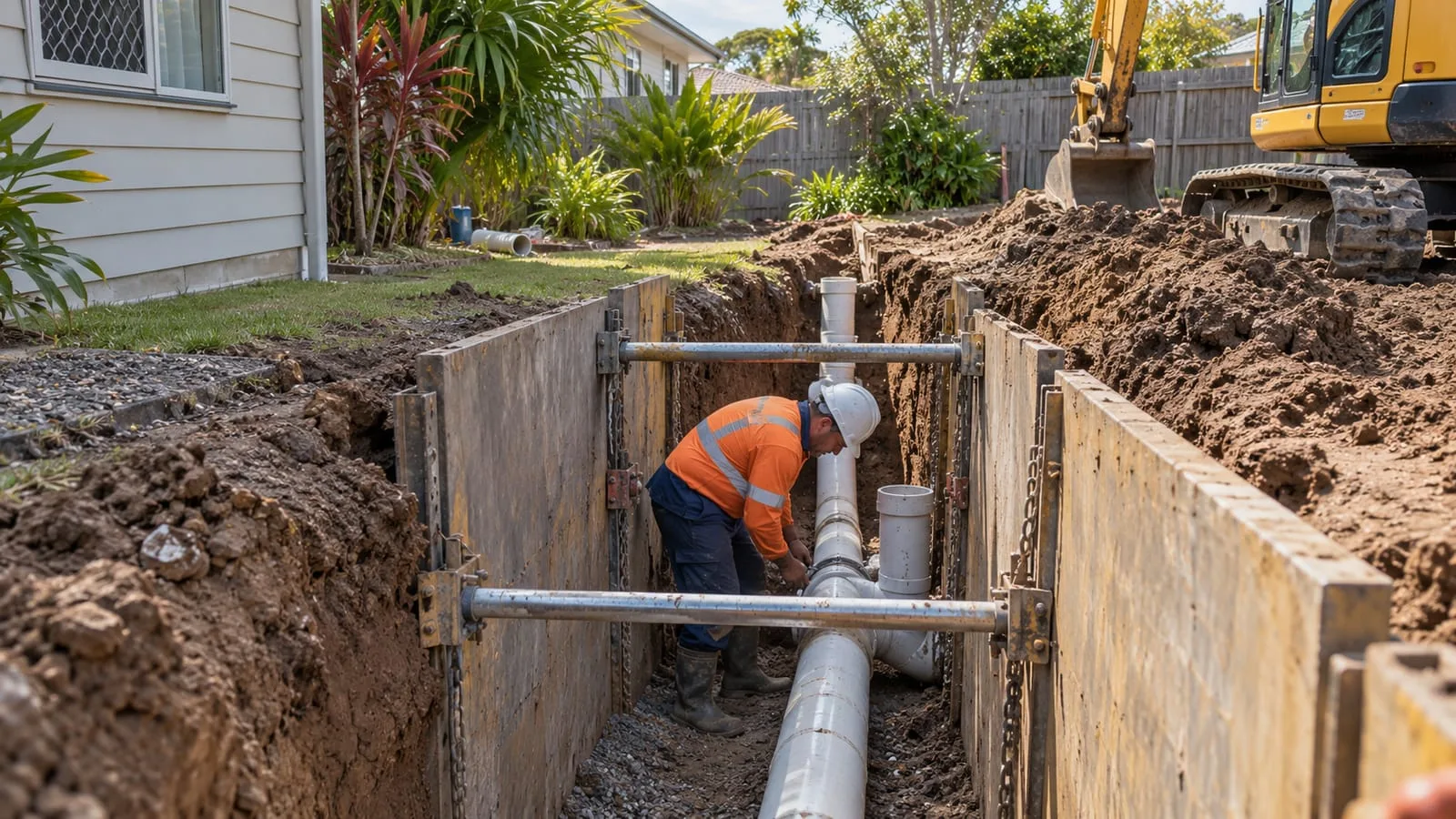
Connecting or altering sewer on a steep Chapel Hill block means working with the fall of the land and limited access, which we plan around the approvals the work requires.
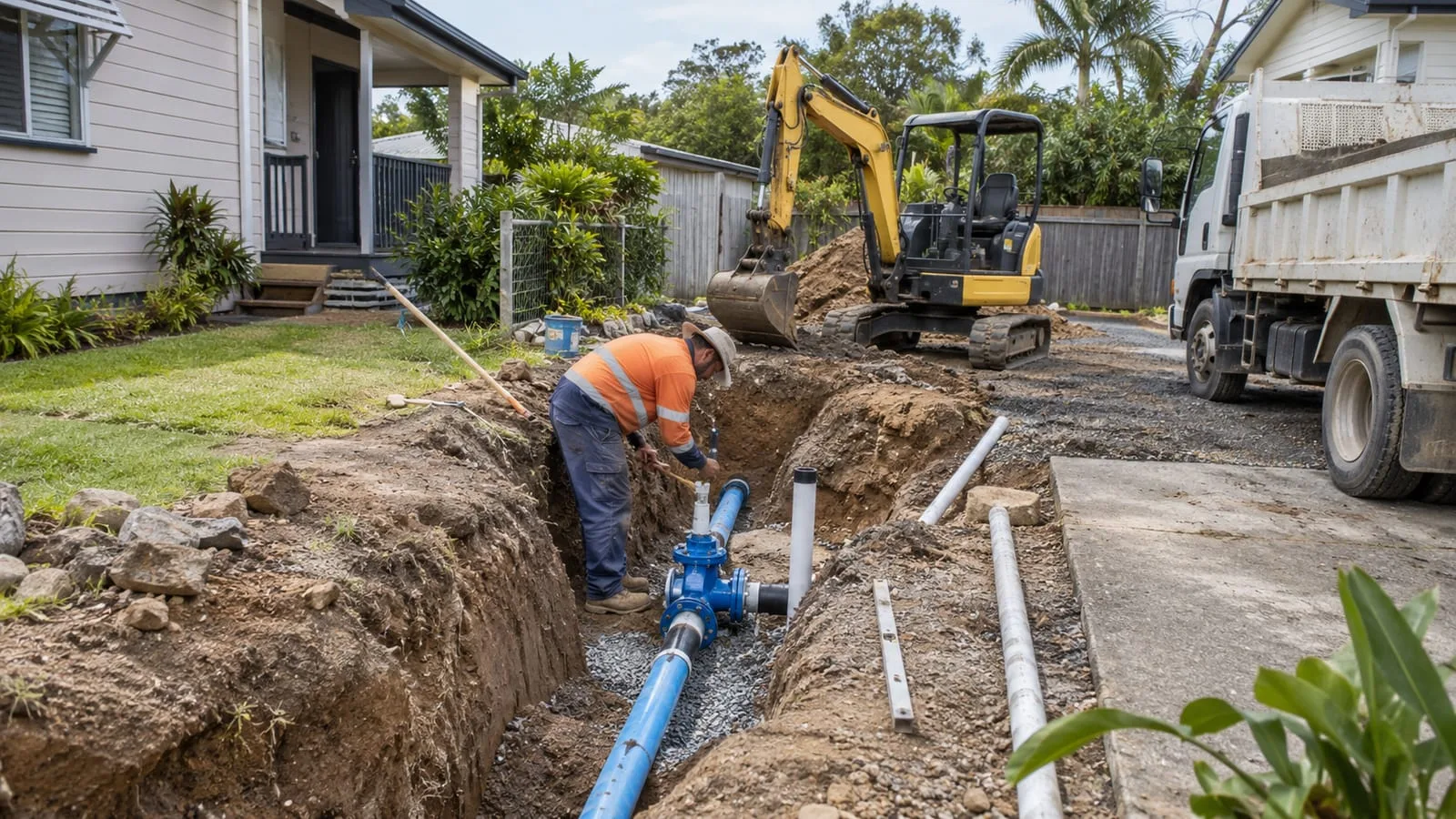
A Chapel Hill property needing its water supply extended or upsized across sloping ground calls for careful planning, which we scope with the authority approvals involved.
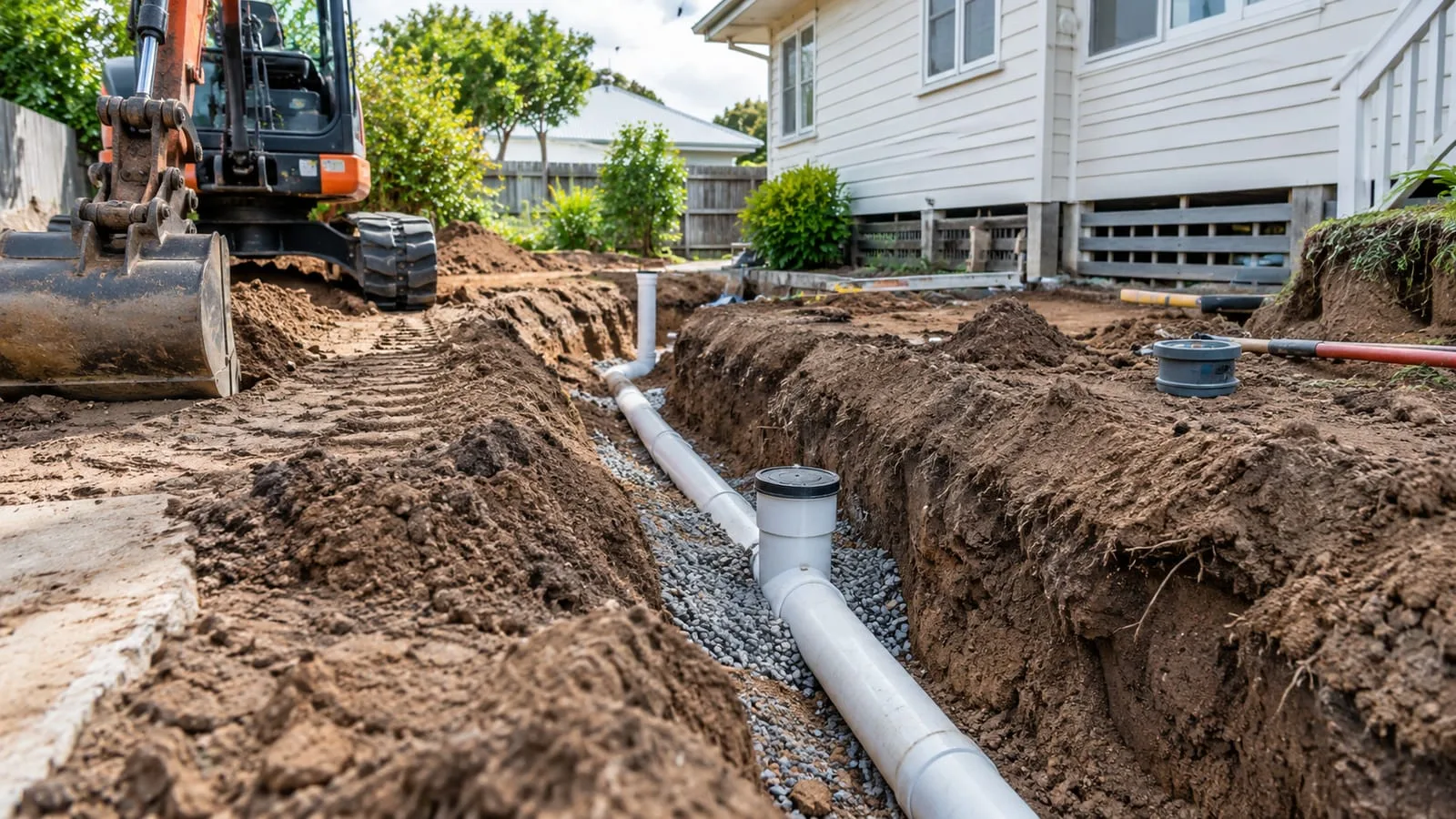
Dividing a Chapel Hill block across changing levels brings demanding drainage requirements, so we plan subdivision stormwater that works with the slope and each proposed lot.
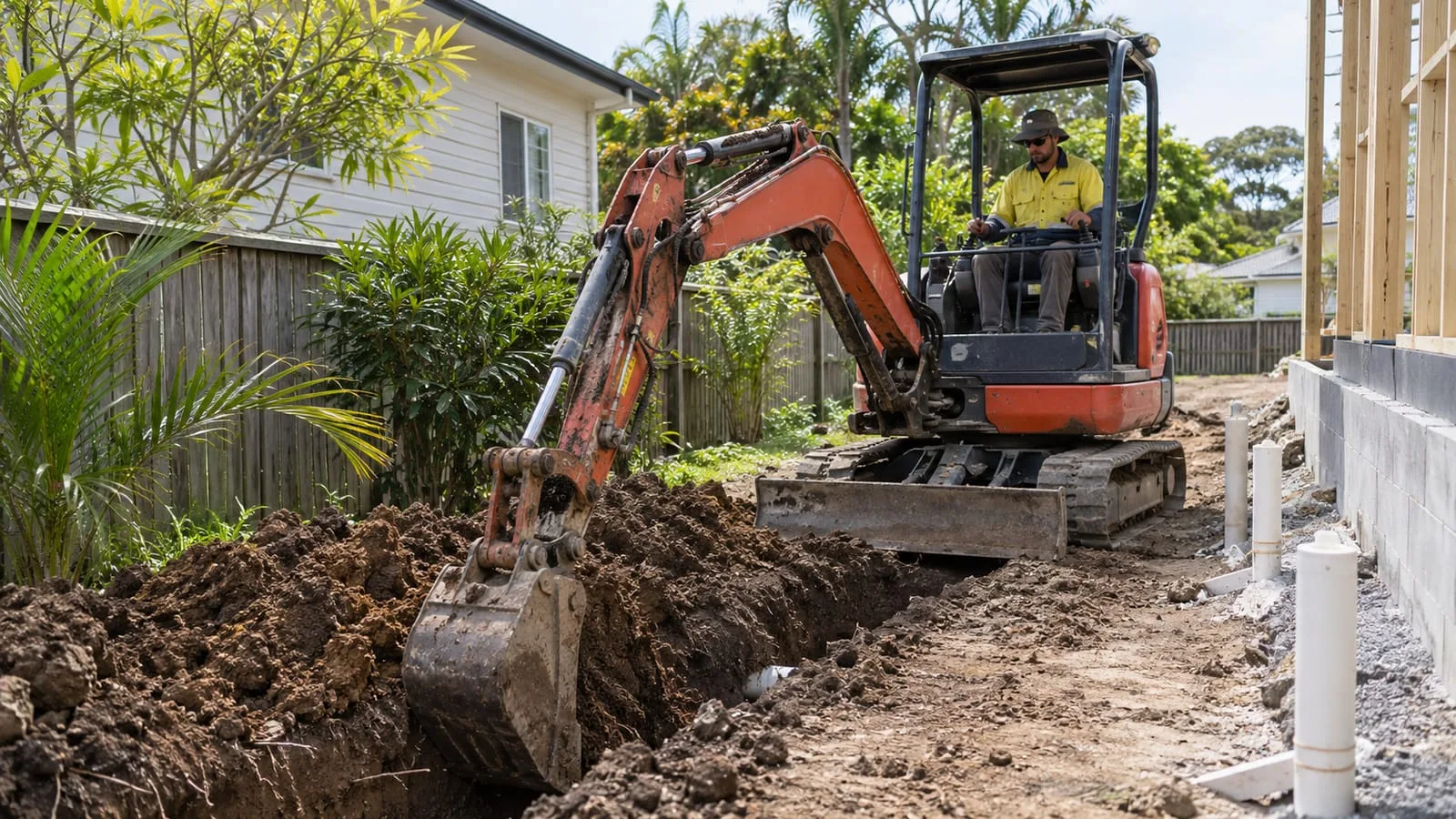
Excavation on a steep Chapel Hill site is shaped by access and gradient, so our compact machines suit narrow, sloping ground where larger plant cannot reach safely.
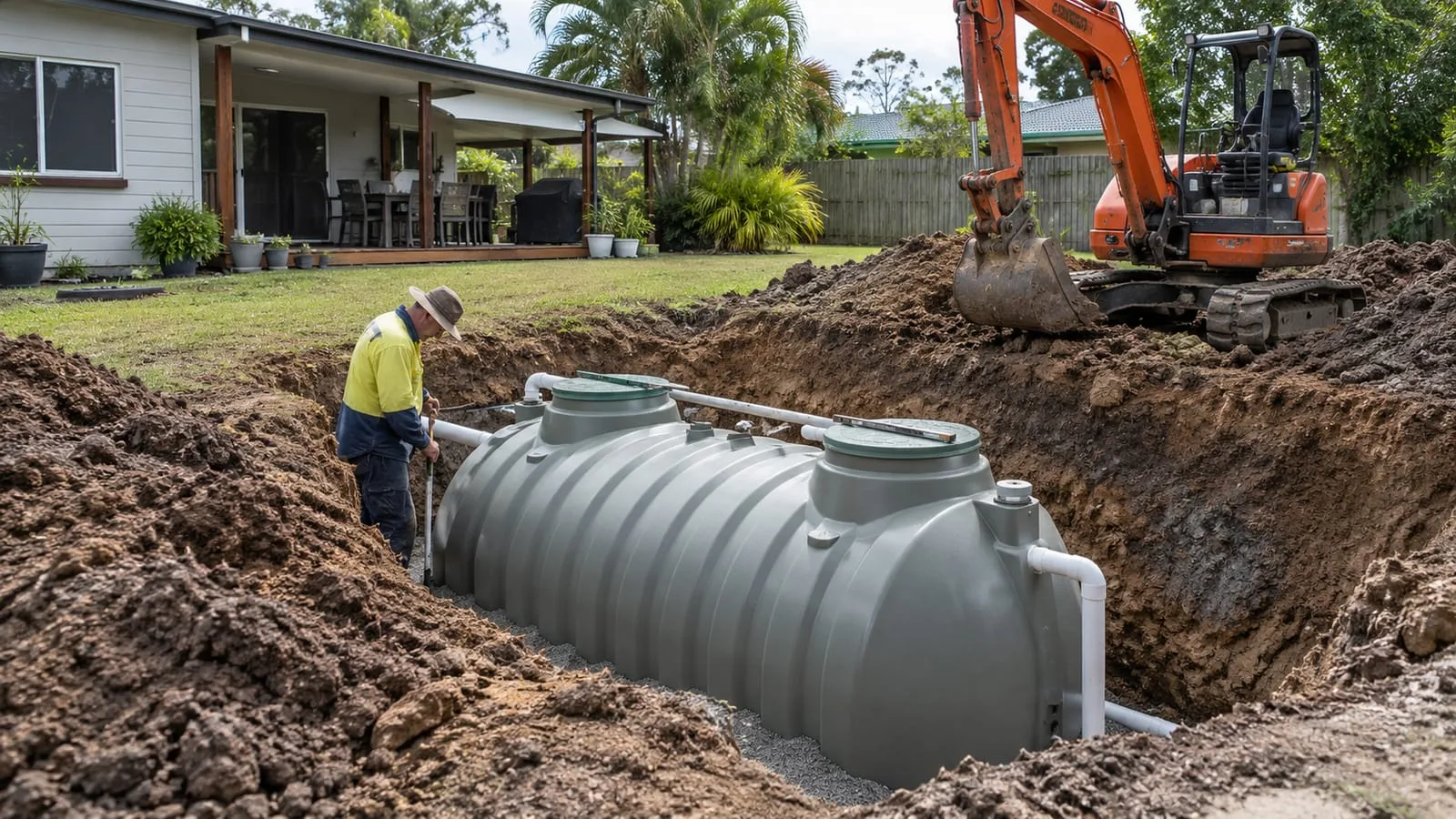
Where a Chapel Hill property needs on-site wastewater handling, we assess the household load and how treated effluent can be dispersed on sloping, reactive ground.
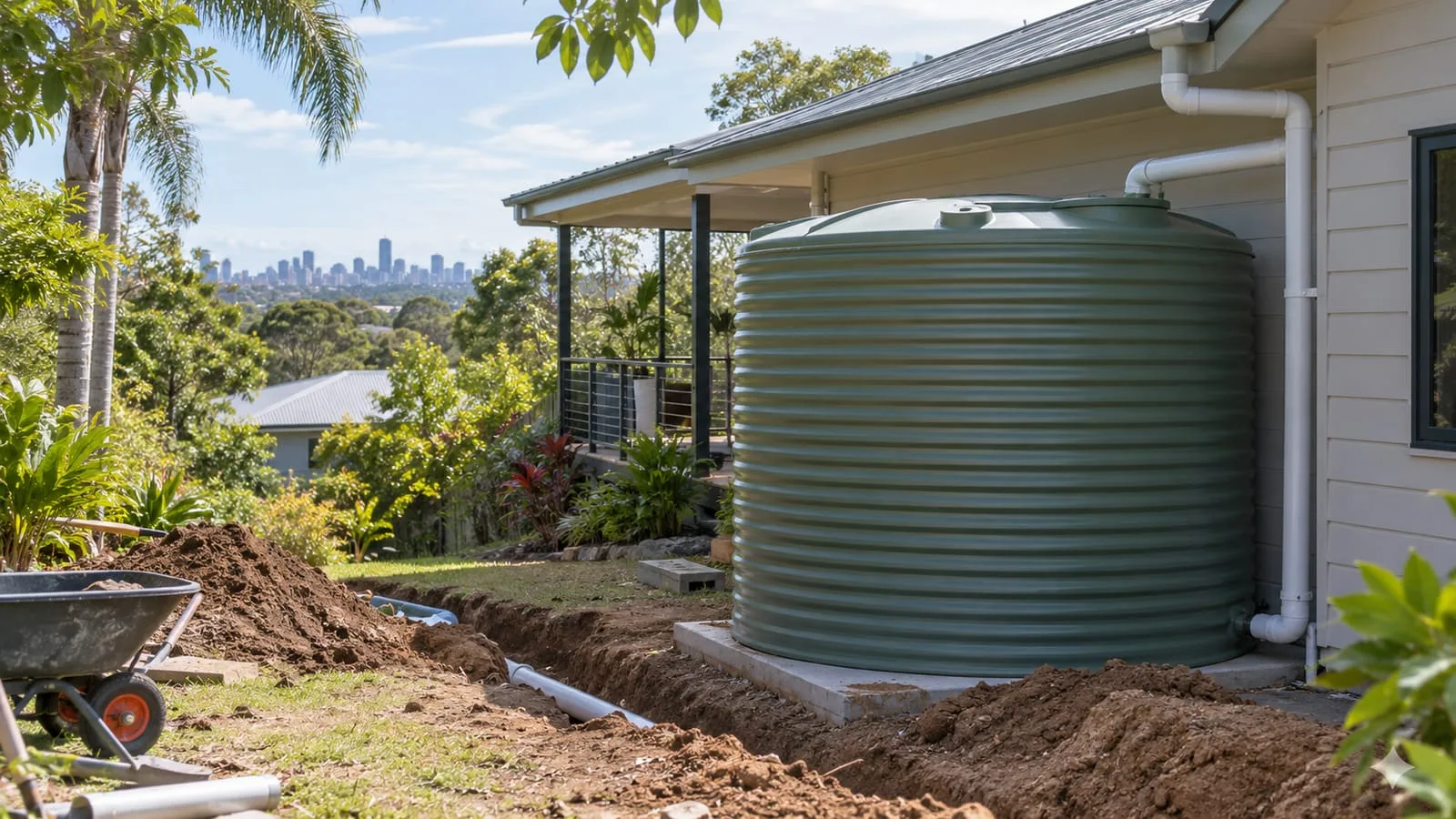
Where a Chapel Hill home harvests rainwater or needs storage, we plan tank installation suited to a terraced, steep block, with overflow and pump arrangements set out together.