One unit reports a fault
Record the affected fixtures and any checks already completed.


Plan maintenance and drainage enquiries for shared buildings and managed properties.
Plumbing in a body corporate or managed building involves more people than a typical home, with owners, tenants, managers and body corporate committees all affected when something goes wrong. Shared pipes and drains in Brisbane units and townhouses make clear information and access arrangements especially important. Clear communication helps shared properties.
Whether you are investigating a shared drain or planning ongoing maintenance, a written scope helps everyone understand what is proposed. Contact us with details of the building and the issue, and we can help you plan the work. A written scope that everyone can see keeps decisions transparent for committees, owners and managers alike.
Explore Brisbane Strata Plumbing and find the right starting point for your property.
Plumbing problems in unit blocks and other shared properties are often harder to pin down than those in a single home, because pipes and drains serve several lots. Information about the pattern of reports, as well as the first one, gives a much clearer picture of where the issue may sit.
Record the affected fixtures and any checks already completed.
Note which units or common areas are affected and when.
Gather previous findings and work records before proposing another visit.
In a body corporate complex, it is not always obvious which pipes belong to an individual lot and which are common property. An enquiry should not assume who owns an asset or who can approve work, because those questions are decided under the arrangements that apply to the particular scheme.
Plumbing work in a shared building usually involves several people, including owners, tenants, managers and committee members, and it can quickly become confusing when each hears a slightly different story. Keeping one clear line of communication makes it easier for everyone to follow what is happening and why.
Summarise the affected areas and previous action.
Identify the units, keys and contacts required.
Clarify authorisation, findings and the next decision.
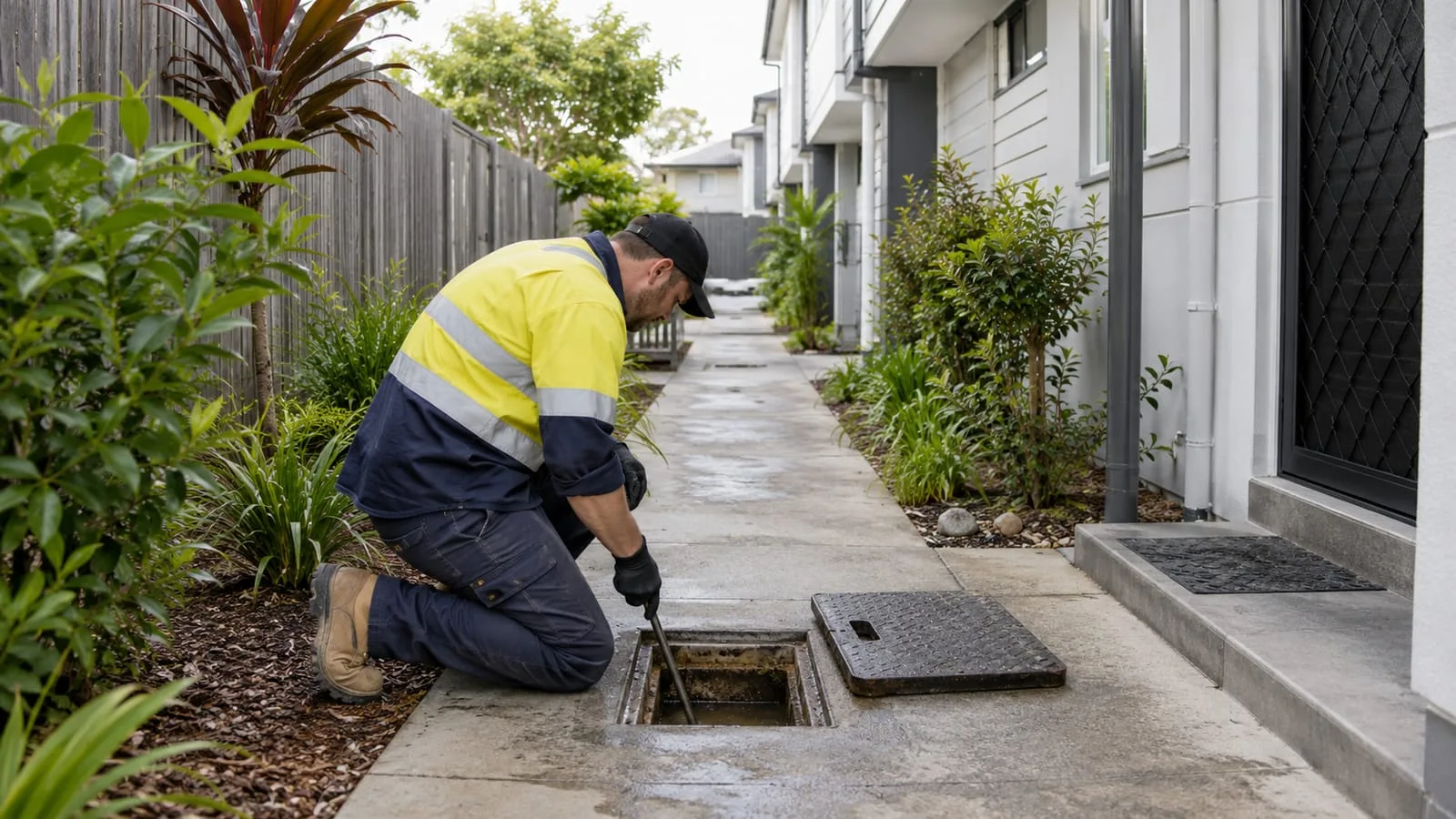
Shared drainage issues need clear information about the affected units and any previous repairs. Access arrangements and the responsibility for authorising work should be established early, before anyone is booked to attend the building. Photos and previous invoices can help describe the history.
Separate immediate repairs from planned maintenance and larger upgrades. A clear written scope helps owners and property managers compare the options without assuming who is responsible for each asset, and it makes later committee decisions much easier to record. Doing this means decisions are easier to explain to owners, tenants and body corporate members.
Bring together the information available about the property before you get in touch. This includes the name of the body corporate manager or nominated contact, the lots or common areas affected and a short summary of when problems were reported and what has already been tried.
Discuss strata plumbing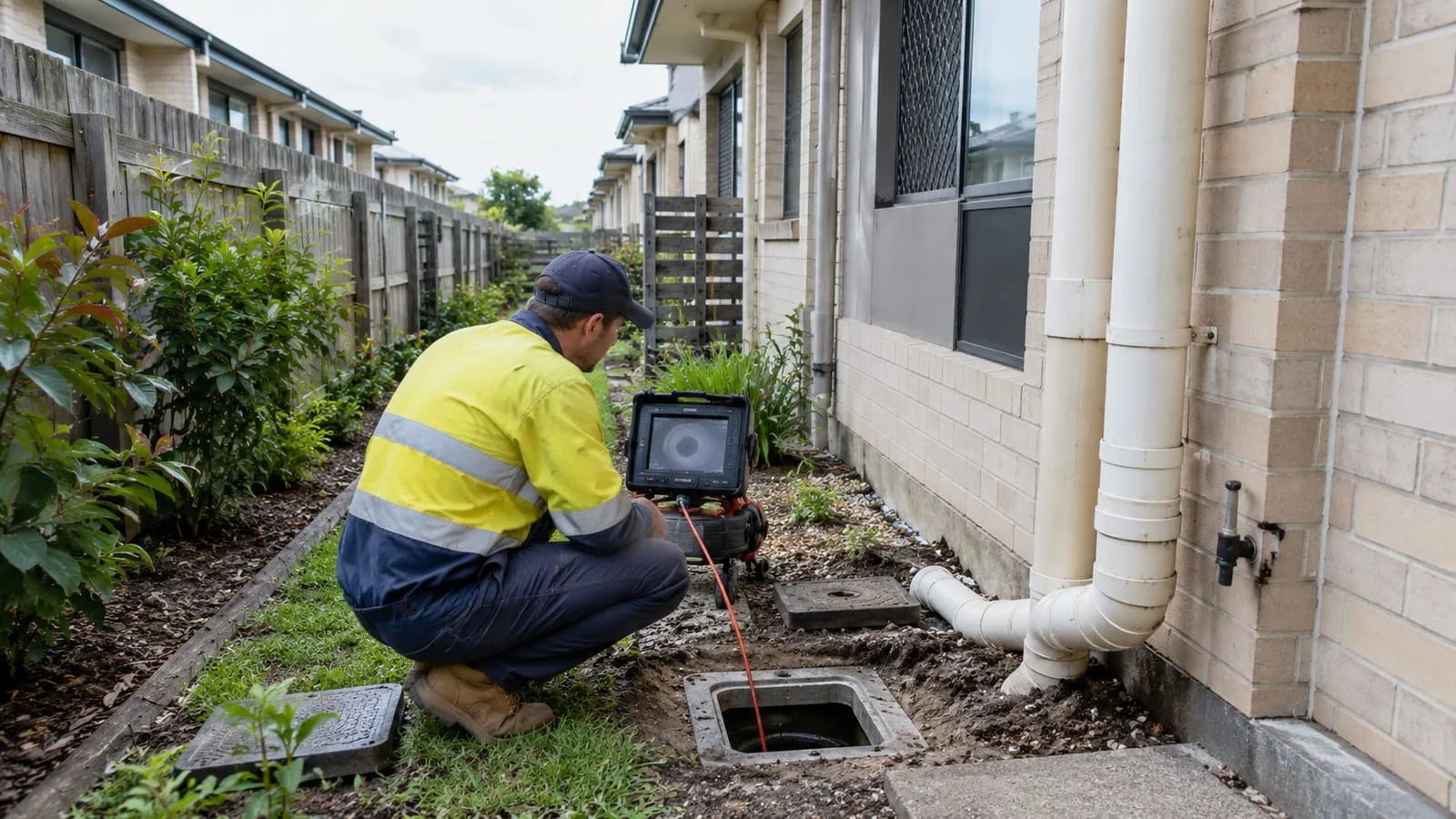
In a body corporate complex, whether a pipe is the owner’s responsibility or the body corporate’s often depends on where it sits and who it serves. Sorting this out early prevents disputes later.
A drain that serves only one unit may be treated differently from a shared line running beneath common property. Plans, the body corporate by-laws and previous repair records can help clarify the position, though the answer is not always obvious. For legal questions about responsibility, seek advice from the body corporate manager or a suitably qualified professional.
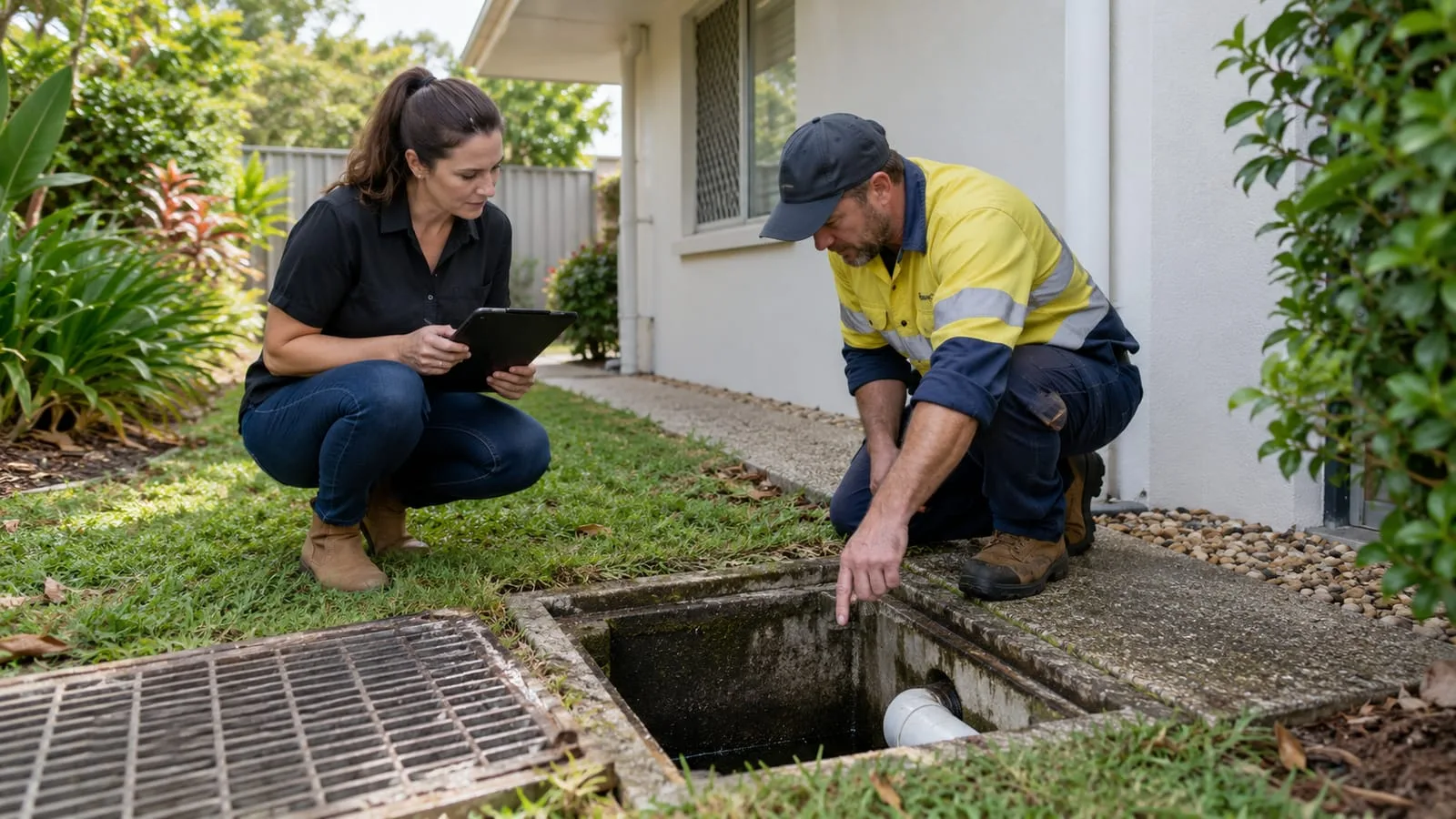
Committees make better decisions when they are given clear, concise information. A short, well-organised briefing helps volunteers who are not plumbers understand the problem and the options.
Present the symptoms, the affected units and what has already been tried. Include photos, dates and any inspection findings, and set out the realistic choices, such as monitoring, minor repair or a larger replacement. Ask for written scopes so options can be compared on the same basis, and keep minutes of what was decided and why.
List symptoms, affected lots, dates and photos so committee members can grasp the issue without reading a long file.
Written scopes that describe the same work let the committee weigh options fairly instead of guessing at differences.
Say clearly what needs immediate action, such as a sewage overflow, and what can wait for a normal meeting cycle.
Minutes that note the chosen option, who approved it and the scope make future disputes and handovers much easier.
Shared drain work often requires entering several units, courtyards or garages. Organising access in advance avoids wasted visits and keeps tenants, owners and trades informed.
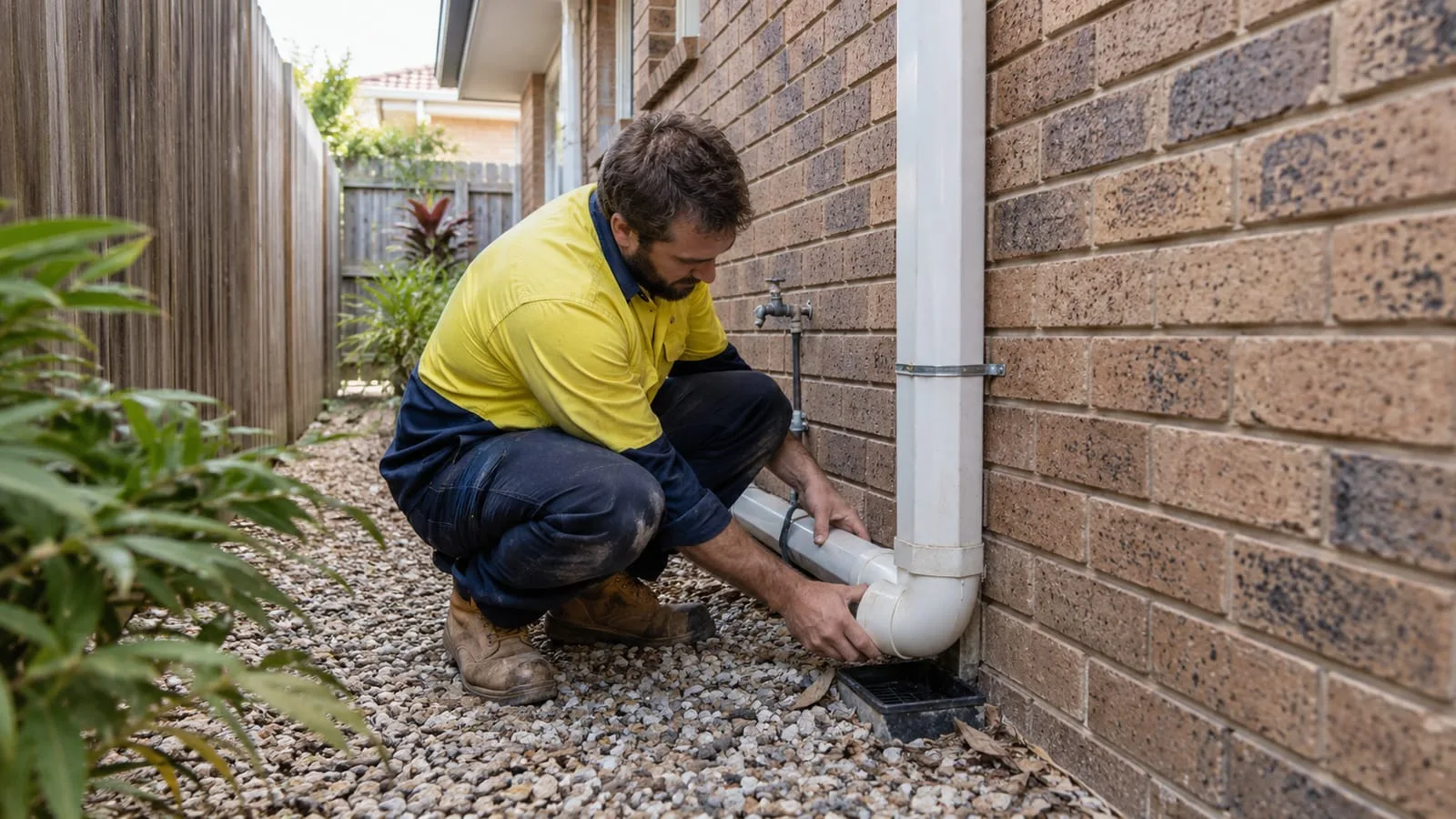
Courtyards, narrow passages and locked gates are typical in unit complexes. Collect contact details for owners and tenants, confirm who holds keys and whether notice is required, and tell residents what to expect, including possible water shutoffs. Where work involves lifting paving or entering a bathroom, check protection, noise limits and parking for equipment before the day begins.
Gather owner, tenant and agent details for every affected unit so notices reach the right people in time.
Tell residents in writing when water may be turned off or drains unusable, and for roughly how long.
Narrow access can limit equipment, so measure gate widths and clearances and photograph them for the plumber.
Check whether visitor bays, driveways or loading zones can be used, since limited parking can slow work in busy complexes.
Strata properties need plumbers who understand shared systems, tight schedules and resident expectations. We provide dependable plumbing for body corporates, managers and owners across Brisbane's apartment, unit and townhouse complexes.
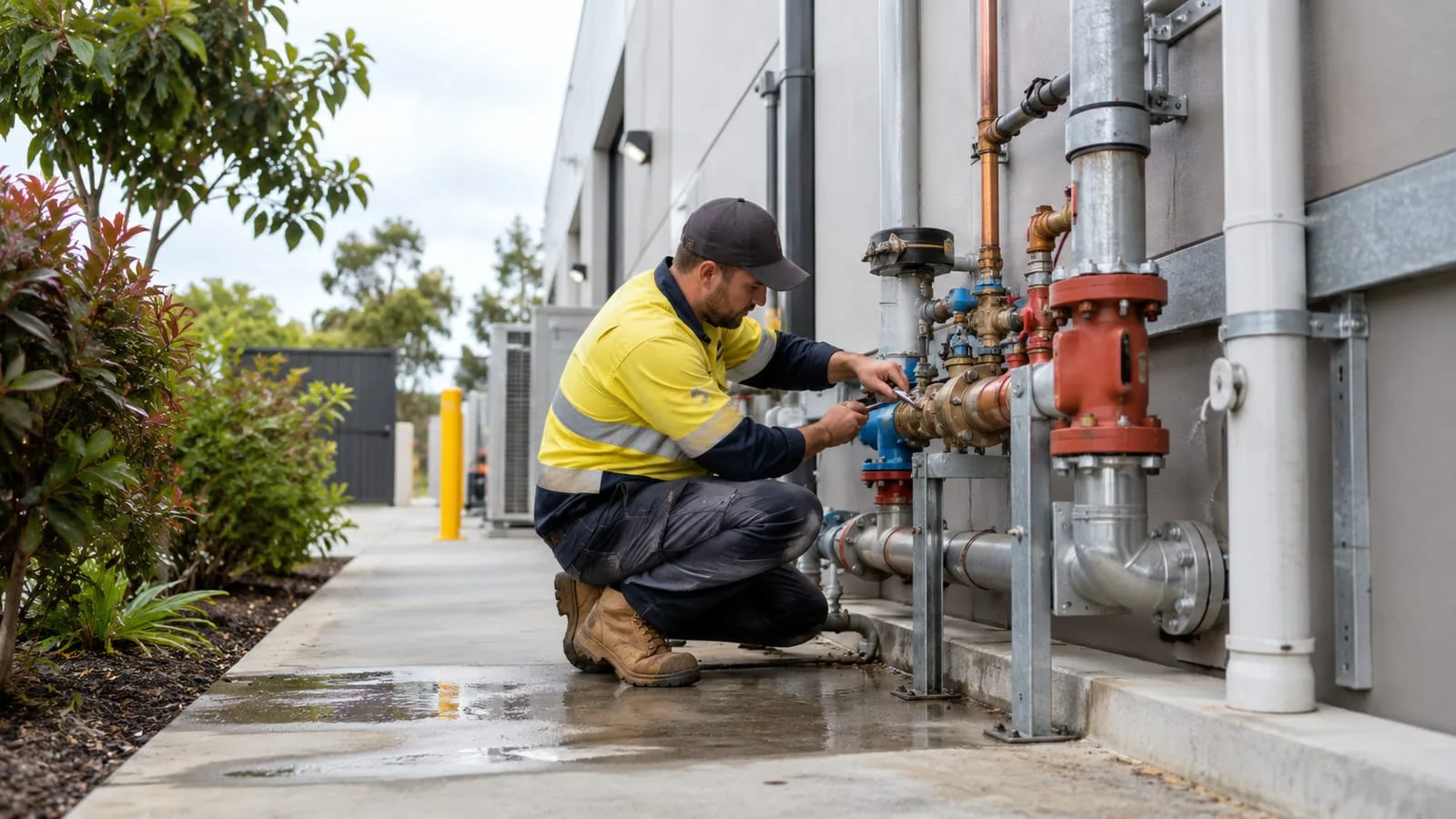
We know how shared pipes, common areas and individual lots interact, and we work closely with strata managers and committees to identify responsibilities and solve problems quickly, efficiently and fairly.
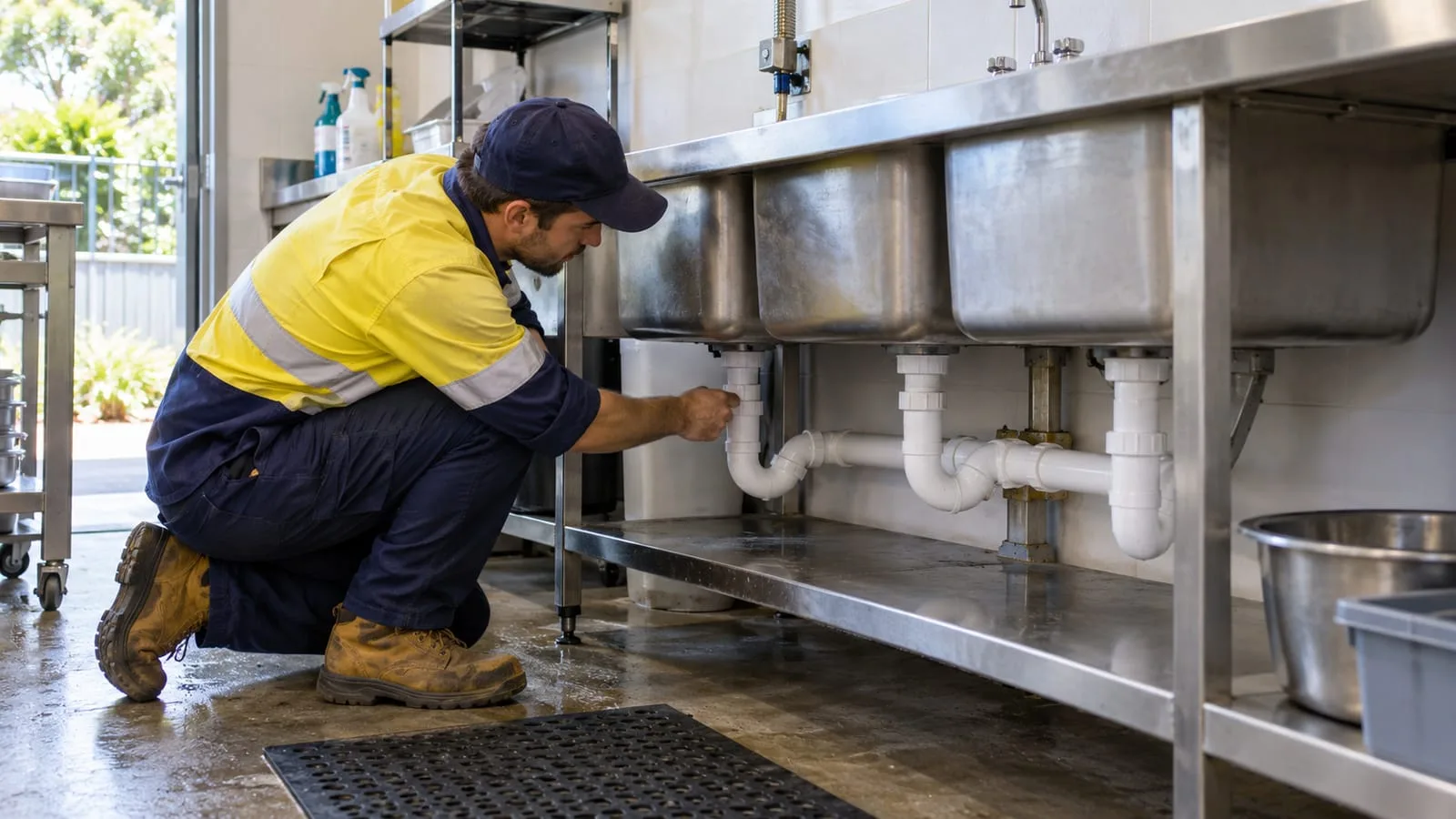
Regular, scheduled inspections and prompt repairs help prevent leaks, blockages and costly water damage across your entire building, protecting common property and keeping residents comfortable and satisfied all year round.
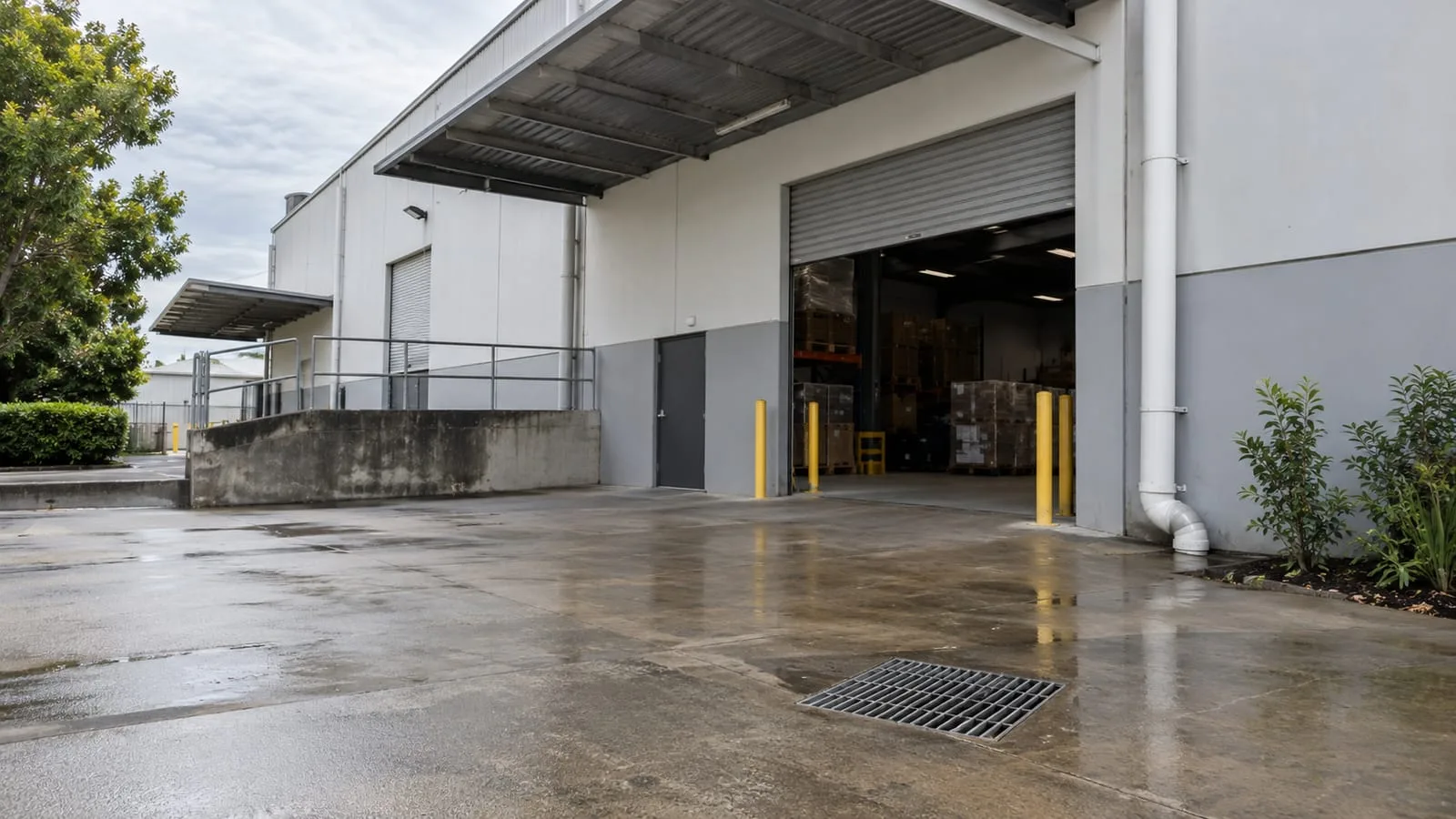
We provide detailed quotes and straightforward job reports that suit body corporate approvals and record keeping, making it easy for managers to track work and costs, saving valuable committee time.
Strata work needs a plumber who understands shared systems and keeps residents informed. We identify whether a problem sits with common property or an individual lot, provide quotes and reports that suit body corporate approvals, and work neatly around access rules, so repairs and maintenance happen with minimal disruption to residents.