Older pipe materials
Homes of different ages may have clay, cast iron or plastic lines joined together, so records and inspection matter.


From established neighbourhoods to new places taking shape.
Explore the Brisbane suburbs below and include your location when making an enquiry. Project scope, travel and current availability need to be confirmed for each property, so your suburb gives a helpful starting point for the conversation. A suburb name is enough to start.
Suburbs are grouped by region, from inner-city areas to the north, south and the hills. Each page describes local considerations, such as ground conditions, sloping blocks or shared access, and what to include in an enquiry to help explain your property. These notes are general, so details still need confirming for your address.
Explore Brisbane Drainage Service Areas and find the right starting point for your property.
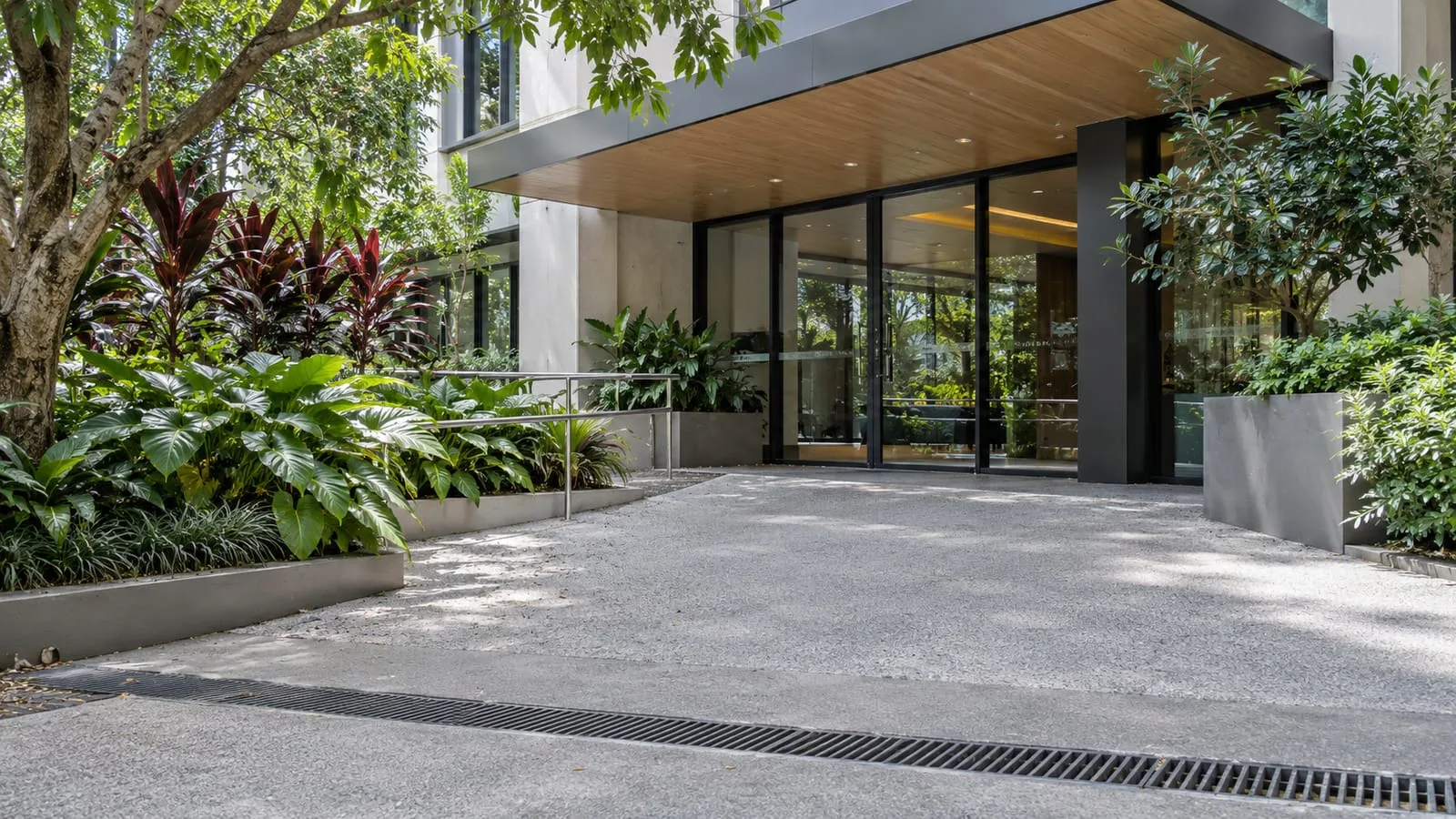
Around the inner city, many properties are compact, with courtyards, side access and finished paving that owners want to protect. Commercial buildings and body corporate complexes add shared pipework and access arrangements, so it helps to know who looks after which part of the system.
Ground conditions vary and should be assessed on site, while older streets may have pipework that has been altered several times, and low-lying pockets call for flood awareness. Describe your layout, mention any shared services and include photographs of the area affected. Availability and scope are confirmed for each address.
Show the affected outdoor area, downpipes and surfaces to retain.
Identify the body corporate or managing agent, shared connections and building access arrangements.
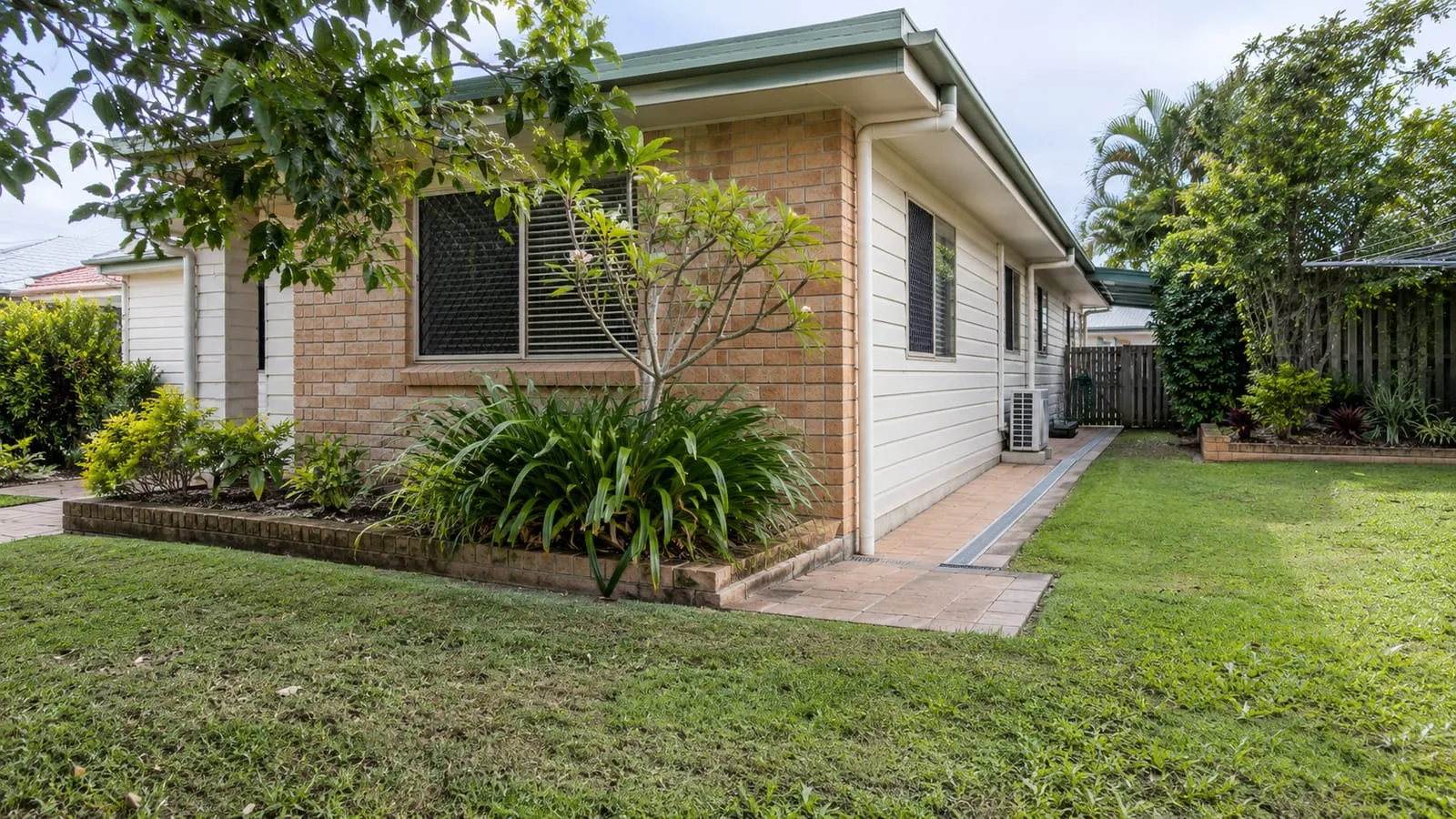
On Brisbane’s northside you will find established suburbs alongside newer estates still taking shape. Roof and driveway runoff, how stormwater leaves the block and the way it was cut and levelled during construction are common starting points for a drainage discussion in these areas.
Newer homes often have tidy, modern systems, while older properties may have been extended or paved since they were built. Tell us when the property was built, what has changed and where water collects, and we can help you decide which kind of assessment makes sense.
Existing layout
Record the old outlets and any recurring overflow.
Added catchment
Share new roof, patio or paving plans alongside the existing arrangement.
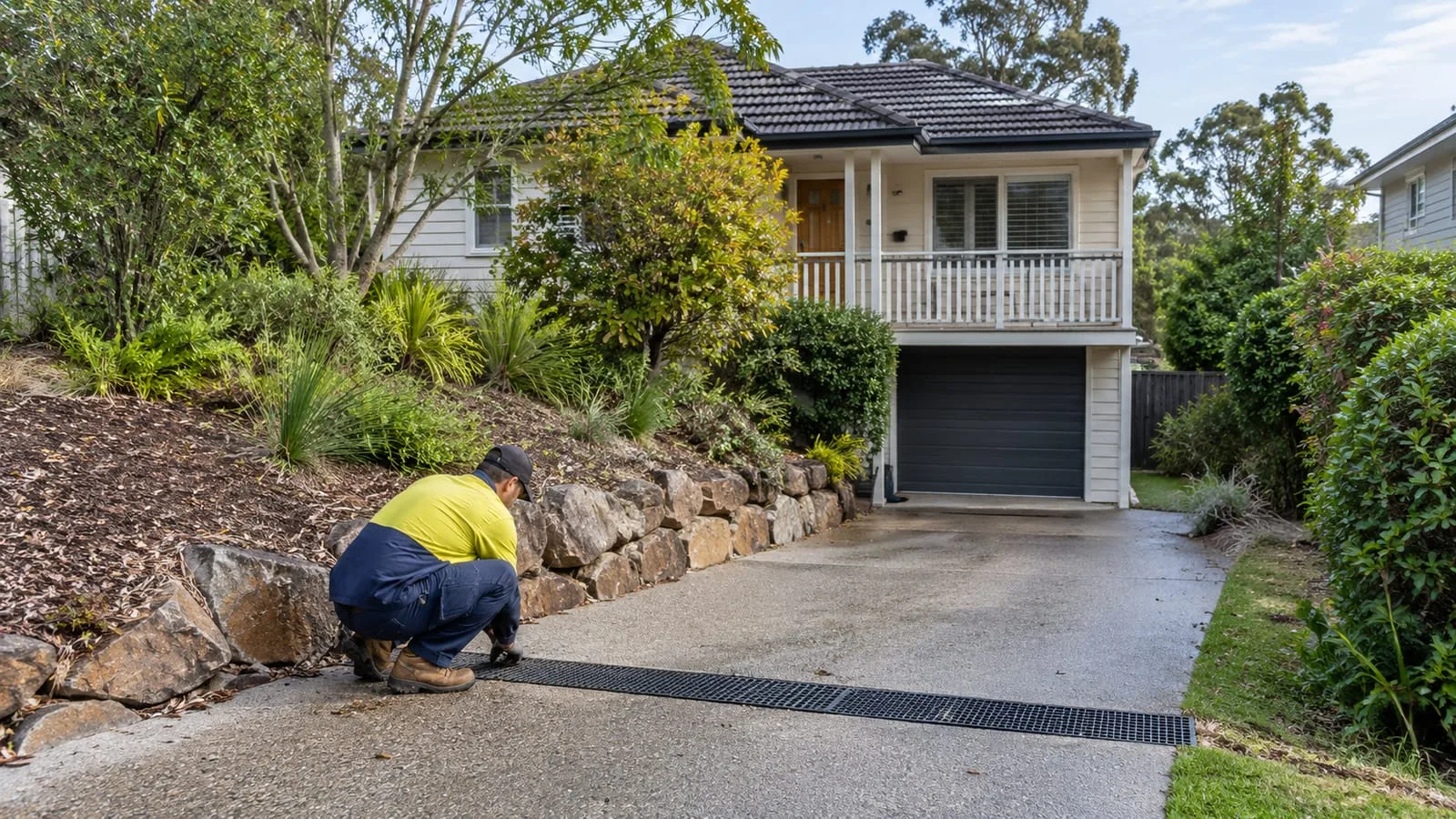
The southern suburbs combine established residential neighbourhoods and commercial precincts with large new estates. Ground conditions, fresh subdivision works and light industrial premises each raise different questions, from clay soils limiting infiltration and trench reinstatement to how forecourt runoff is collected and discharged.
If you are building, share the drawings and any servicing information you hold. If you are maintaining an existing property, note recent changes such as extensions, paving or a new rainwater tank. A clear description makes it easier to work out the next sensible step for your site.
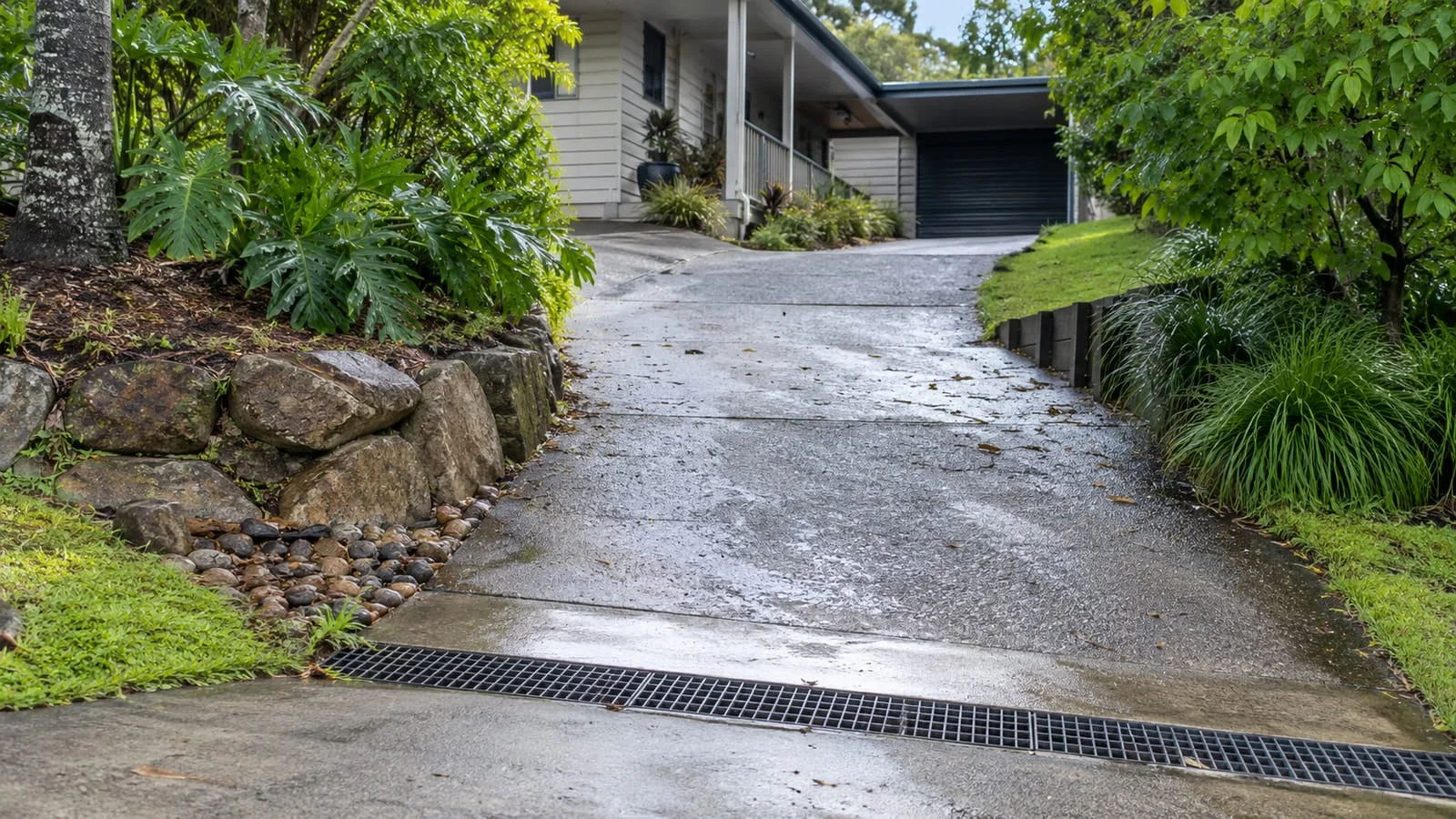
In the western suburbs and the hills, slope, clay soils and the way water leaves a block matter as much as the pipework. Steep driveways, retaining walls, rainwater tanks and on-site wastewater arrangements are common topics for enquiries from these areas.
Larger semi-rural properties may have longer pipe runs, more than one outbuilding and limited access for equipment. Describe the fall of the land, where water arrives and leaves, and how a vehicle or machine would reach the work area, so access can be discussed early.
Suburb boundaries do not always match the way a property drains or is serviced. If your address sits between two areas, read both pages and include the full address when you enquire, so availability and scope can be confirmed against the actual site.
These suburb pages are general guides rather than assessments. They describe the kinds of questions that often come up locally, and they cannot replace verified information about your own pipework, levels and approvals.
A suburb guide helps you prepare. Levels, pipe routes, shared systems and access still need checking at the actual address.
Inner suburbs often have older housing, narrow lots and long-established pipework. These are general observations only, as every street and property differs, so treat them as background rather than a diagnosis.
Homes of different ages may have clay, cast iron or plastic lines joined together, so records and inspection matter.
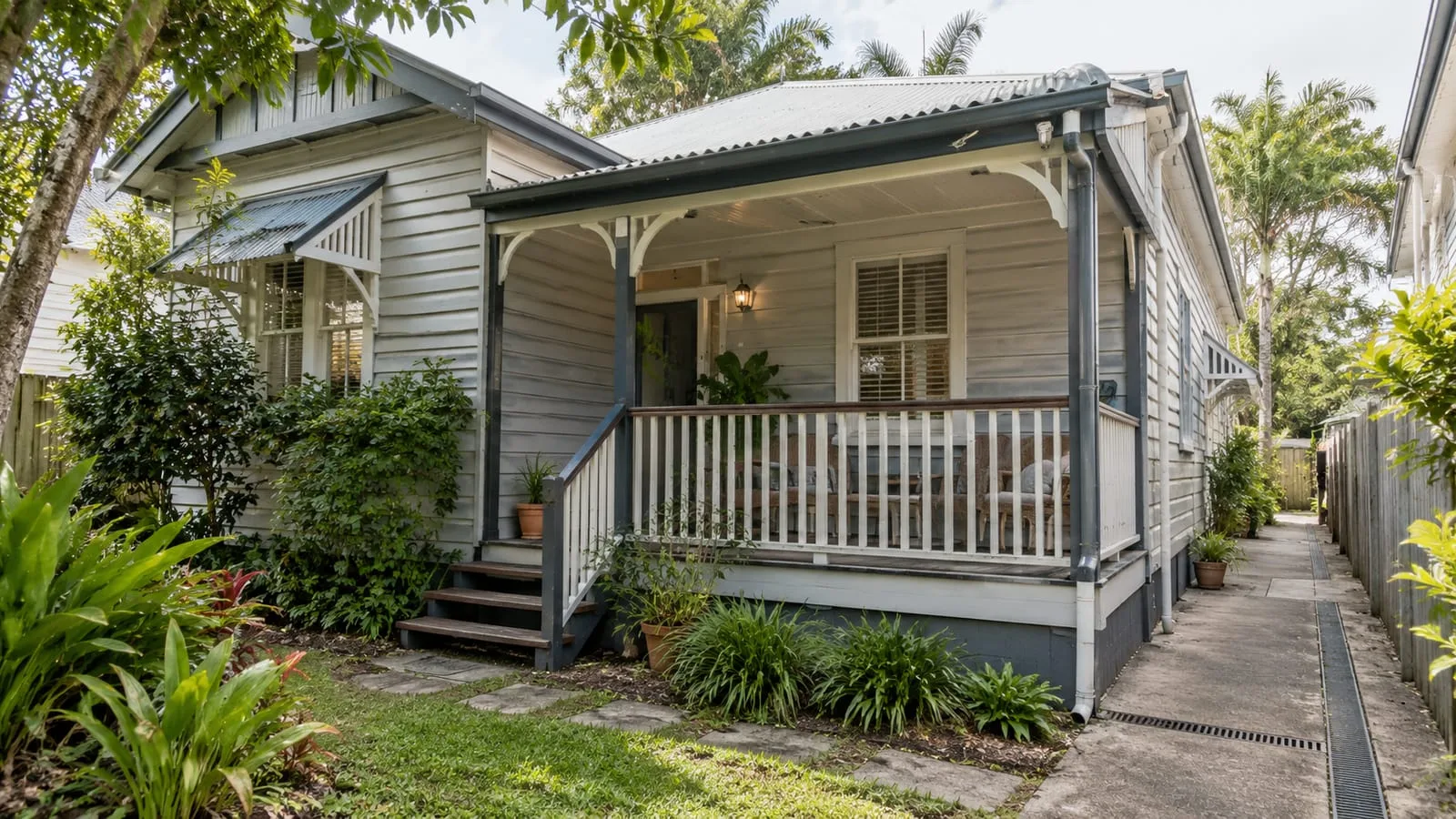
Tight passages can make access hard and push runoff toward neighbours, so describe the route water takes.
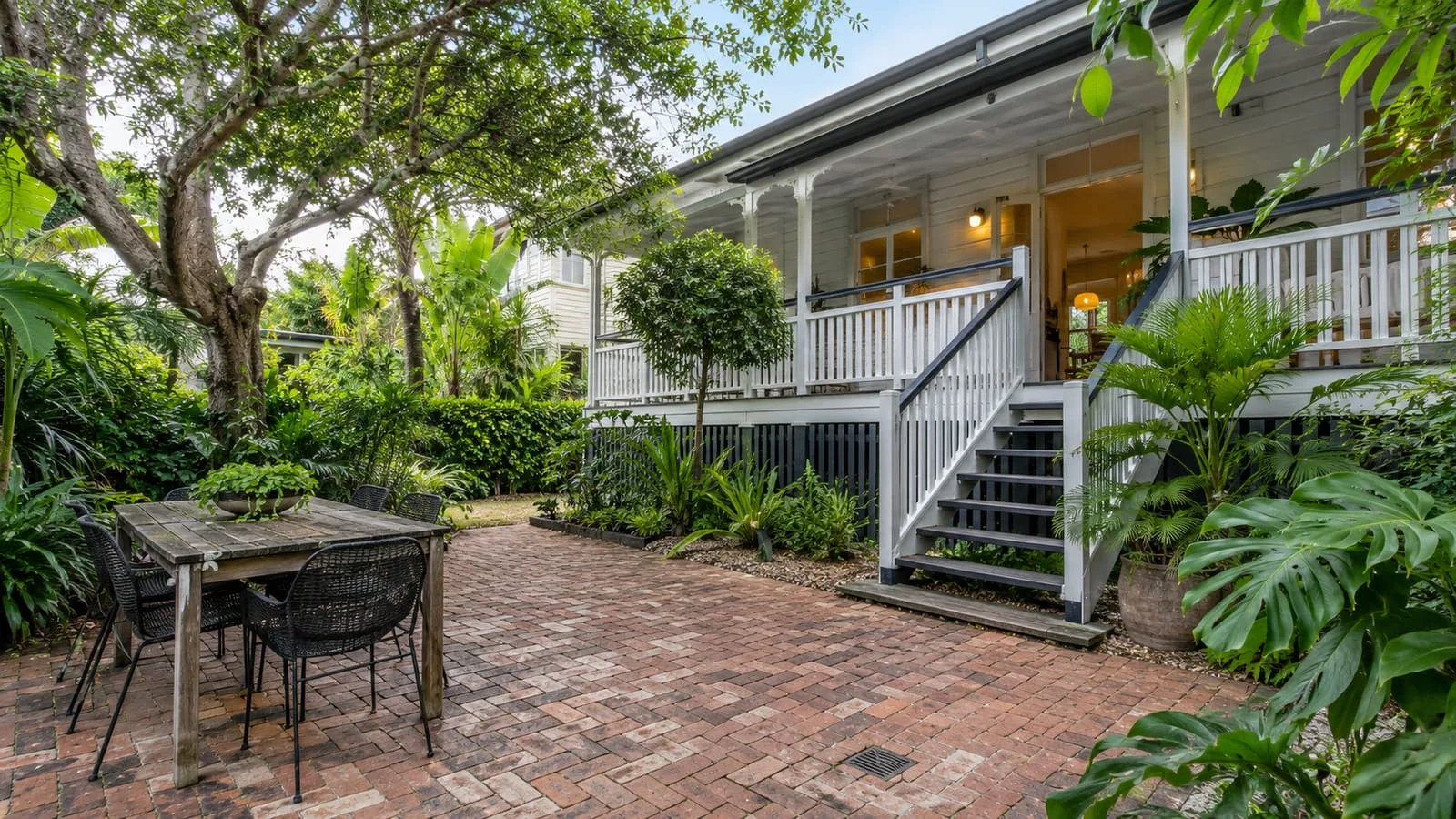
Mature trees near older pipes can contribute to root problems, so mention any large trees close to the house.
Older timber homes and cottages are common in inner areas, often on smaller lots with side passages and shared fences. Drainage can include mixed pipe materials added over decades, and downpipe routes that are not always documented. Slopes in some suburbs send water along narrow paths toward neighbours. Large street trees can affect pipes. Confirm local conditions with Council or a qualified professional, and expect property-specific answers.
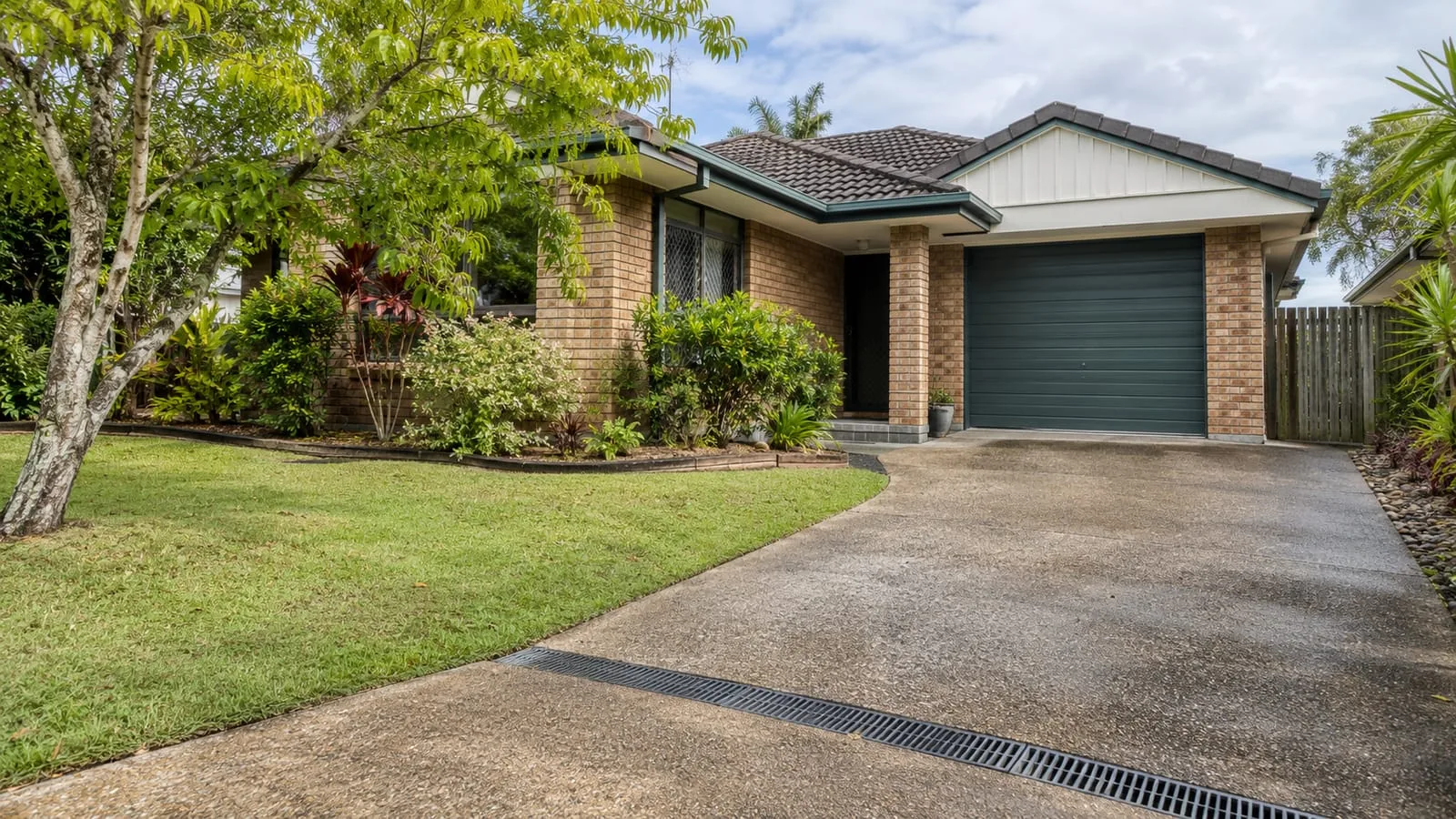
The north combines established brick homes with newer estates. These general notes describe patterns that can appear, and every property still needs checking on its own conditions.
Established northern suburbs often have mid-century brick or weatherboard homes with driveways and paved areas, while newer estates have contemporary homes on smaller lots. Hard surfaces can send a lot of water toward street inlets or garages in heavy summer storms. Some areas sit near creeks or low ground, so overland flow awareness matters. Ask about the lawful point of discharge, especially after extensions or paving.
Large hard surfaces shed storm water fast. Check that channels and grates reach a lawful outlet and are kept clear.
Older homes may have ageing pipes and extensions that changed drainage, so a camera inspection can help.
Newer lots often have tight setbacks, so confirm how roof and surface water reach the approved discharge point.
If your block is near a creek or low area, mention it, since overland flow can affect drainage options.
The south mixes older cottages near the city with established suburban homes and commercial zones further out. These notes are broad, so confirm what applies to your own property.
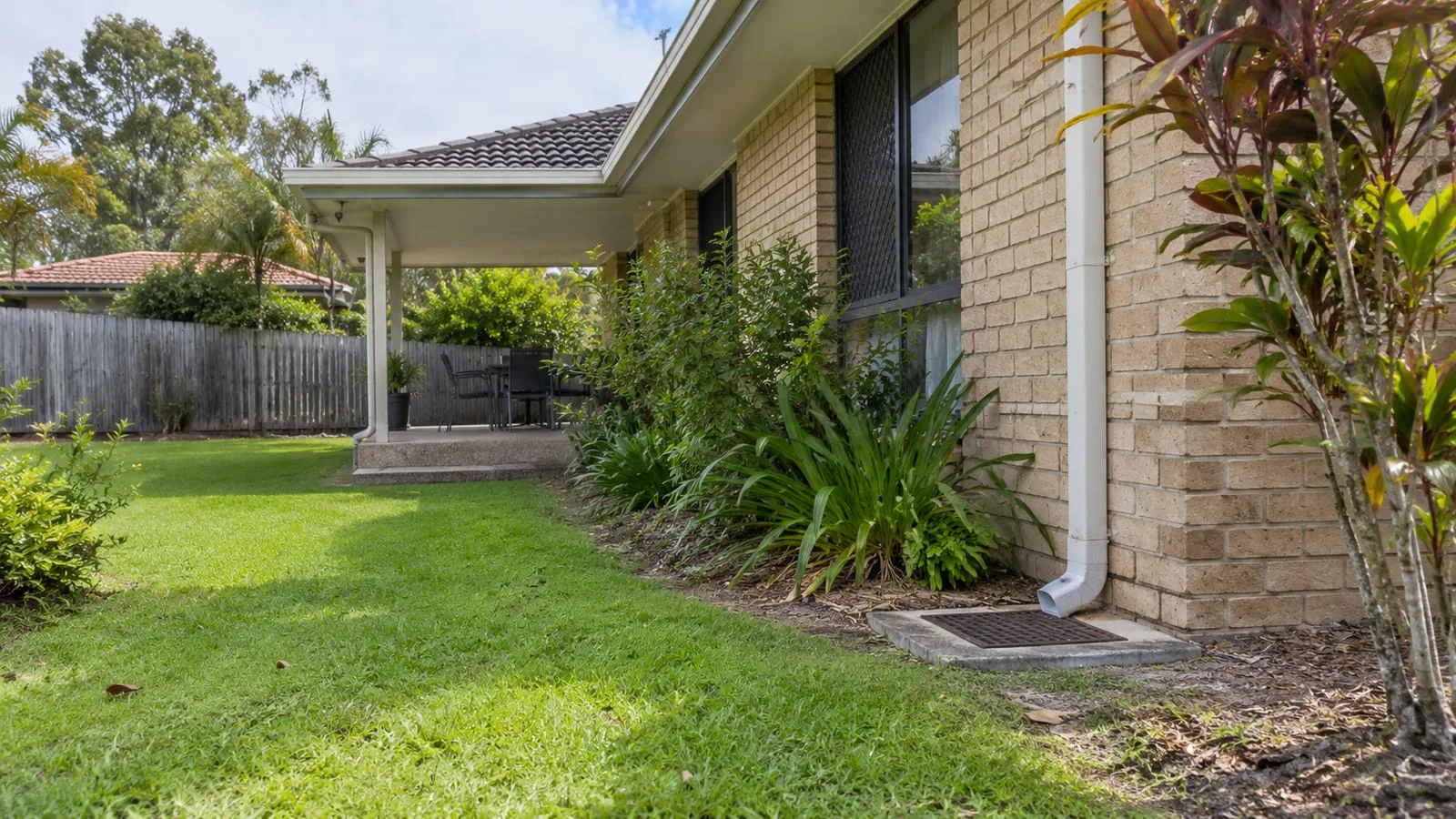
Closer to the river, older timber cottages and small commercial sites sit alongside redevelopment. Further south, established brick homes with gardens and driveways are common, with industrial and commercial areas nearby carrying large paved surfaces. Ground conditions can include slow-draining clay, which may limit soakaway pits. Overland flow near creeks can matter in some pockets. Confirm drainage options with Council or a qualified professional.
Older cottages may have mixed pipe ages and small yards, so inspection and records help before changes.
Established gardens and driveways create runoff paths. Check where each surface sends water during heavy rain.
Large forecourts and loading areas need capable channels and clear maintenance responsibility between owner and tenant.
Slow-draining ground can reduce what soakaway pits absorb, so ask whether testing or another option suits the site.
West and outer areas often mean hillsides, larger blocks and newer developments. The notes below are general, because slope, soil and access vary a lot from lot to lot.
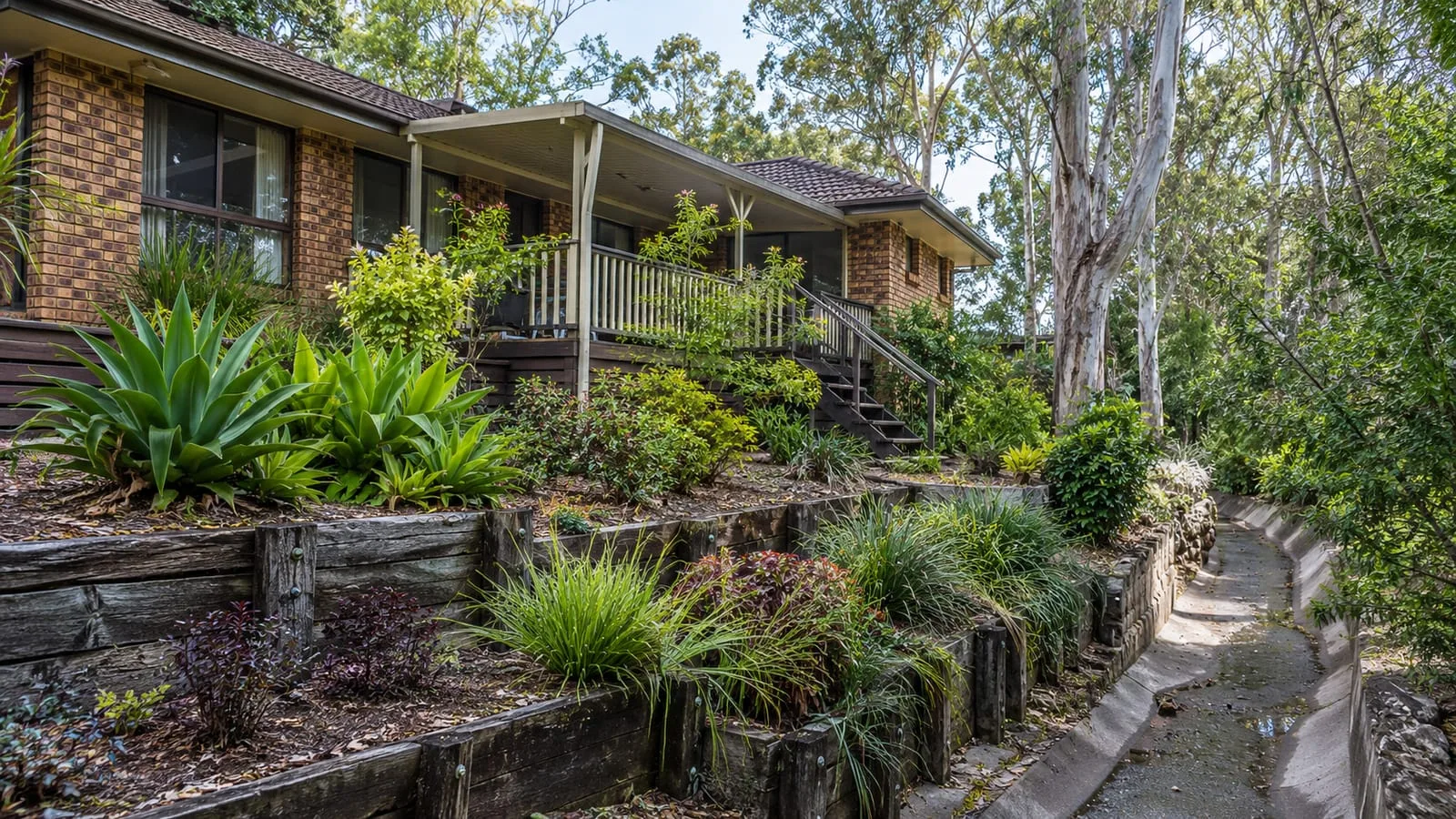
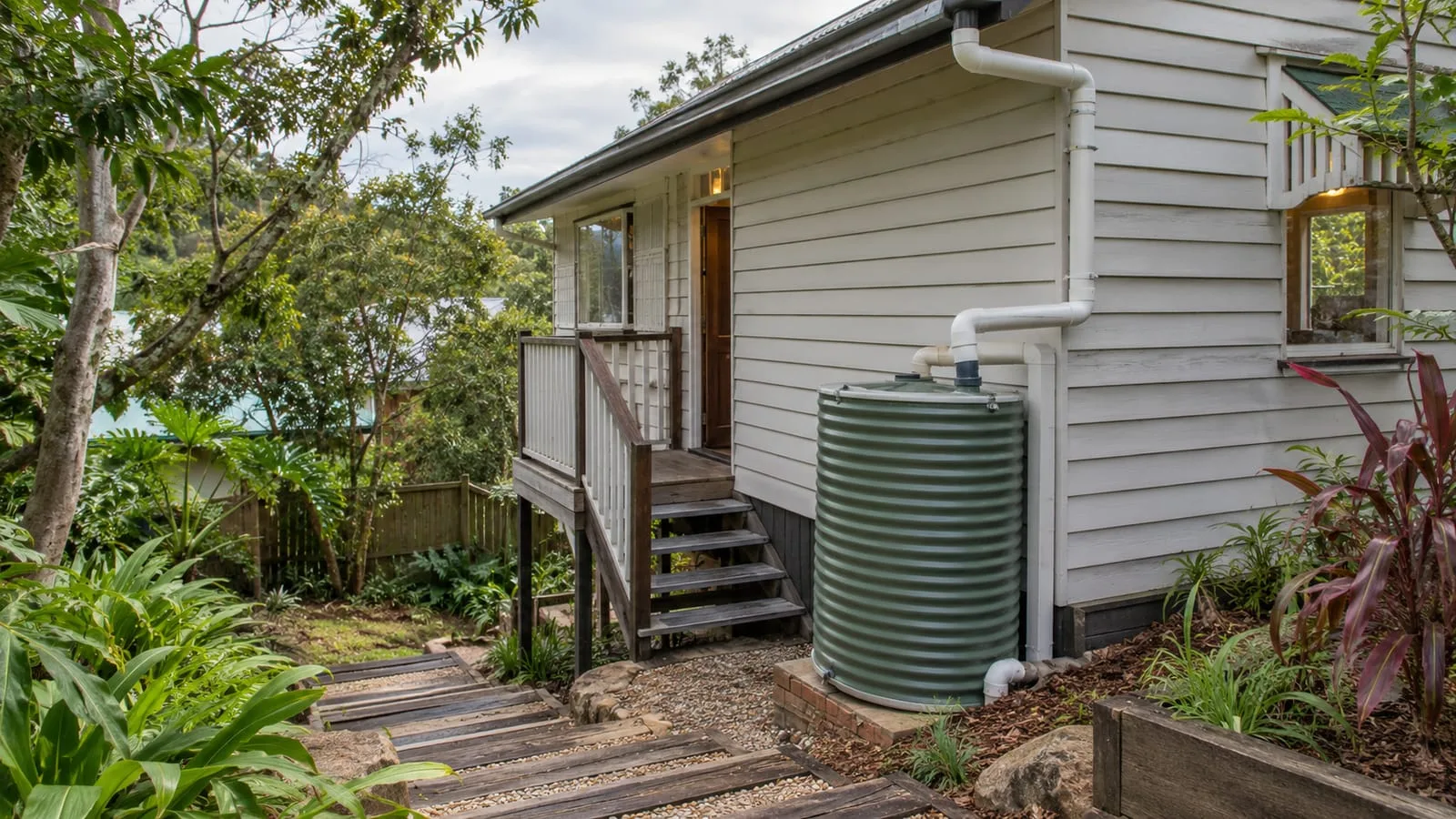
Hilly western suburbs can have terraced gardens, long driveways and runoff that travels fast downhill. Larger blocks may involve long pipe routes and tanks. Newer outer suburbs often have recently built homes where drainage should match approved plans. Slopes can concentrate water at retaining walls or garages, and heavy storms test every outlet. Confirm approvals and conditions with Council or a qualified professional for your property.
Water on slopes travels quickly. Check where driveways, terraces and retaining walls send it during heavy rain.
Long distances to discharge points can mean long pipe runs, so ask about access, falls and maintenance.
Compare what was built with approved drainage plans, and keep handover records for later trades.
Look for water collecting behind walls or at garage thresholds, and photograph it during storms.